
Assessing Hidden Water Damage

Roughly 1 in 67 insured homes will have a claim filed related to water damage or freezing each year, according to the Insurance Information Institute. Some of that could be hidden water damage from long-term leaks that lead to high repair costs and severe structural damage.
Standard home appliances may be a source of some of the water damage. Regardless of its cause, common areas of a property, even those not near the origin of a leak, may have signs of hidden water damage or long-term intrusion.
Knowing indicators of this type of loss, and when to call for an expert assessment, can help adjusters resolve water-related claims with confidence and ensure the cause of loss and source of damage are properly identified.
Structural Indicators of Hidden Water Damage or Long-Term Intrusion
Warped framing elements, buckled flooring, microbial or fungal growth, and drywall damage can all suggest a possible long-term leak in the home. Rusted metal may also be an indicator, as it could be a sign of spalling.
Wood typically darkens, swells, and deteriorates over time. Wooden elements like the structural base of a property or a door frame are also subject to wood rot, fungal growth, termite infestation, and weakened structural integrity from long-term leaks or hidden water damage.
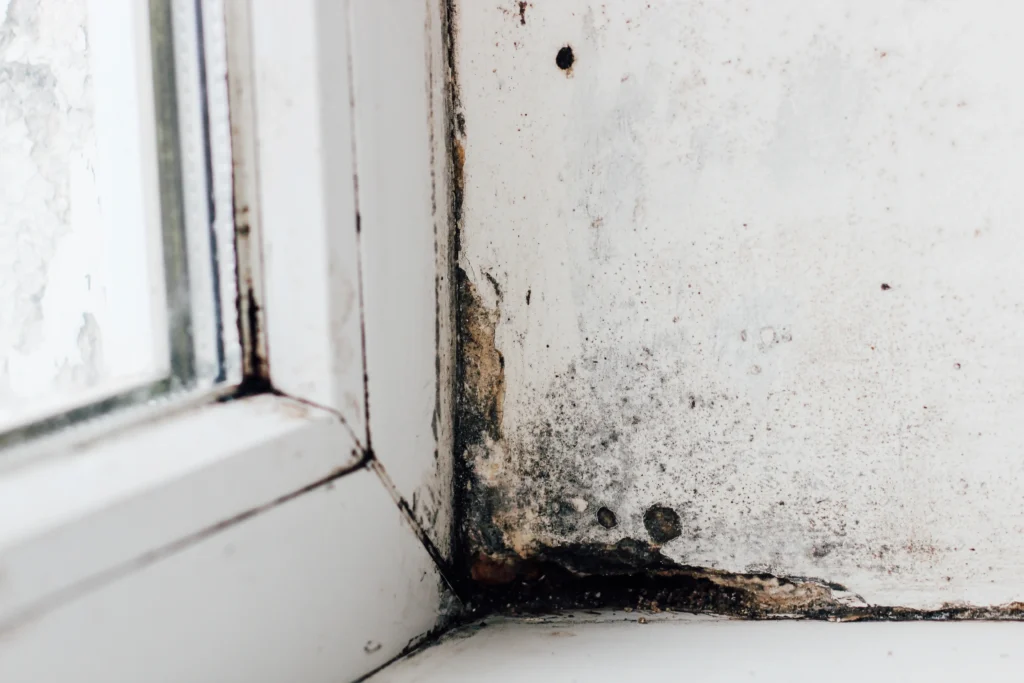
An improperly sealed window could be one way that a home sustains hidden water damage or long-term leak damage.
Windows or doors that aren’t adequately sealed could allow moisture to enter a home slowly over an extended period, damaging framing elements, walls, or nearby household items.
Meanwhile, wood composites delaminate.
Signs of staining and mineral deposits, like efflorescence, may appear on concrete and masonry. Foundations can also have fungal growth, moisture intrusion, cracks, or spalling in the basement.
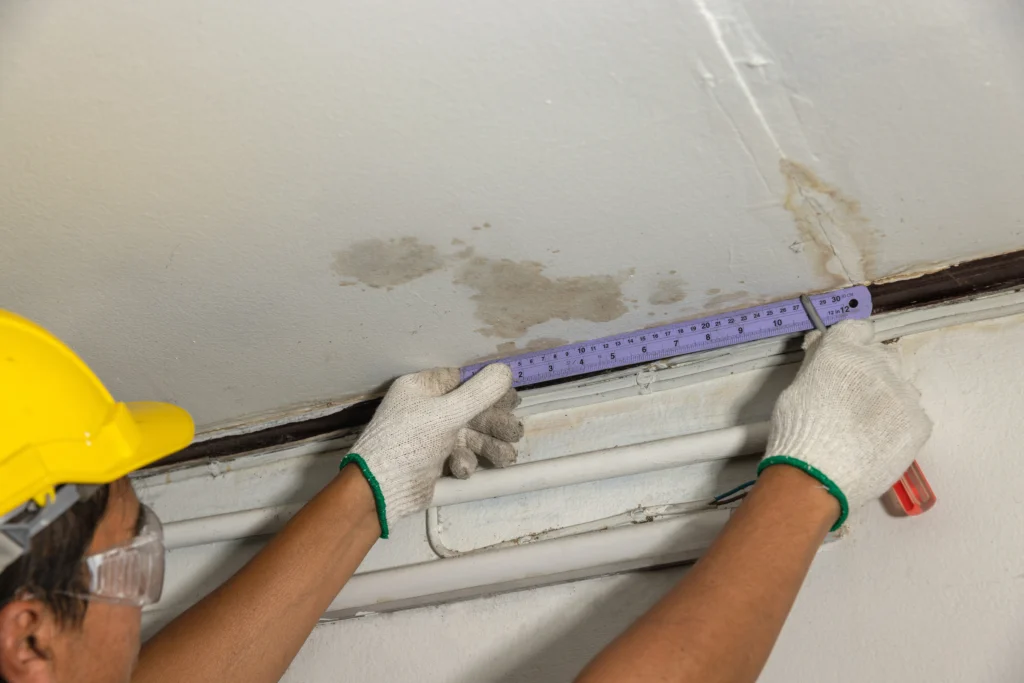
Ceiling stains of varying colors that feature overlapping patterns could suggest a leak has been damaging the property.
If there’s a recurring water event, drywall develops rings. The darker the rings, the older the staining. With constant moisture, a defined pattern will emerge, while wet/dry cycles are indicated by unique, overlapping patterns.
While these are all signs of unwanted water intrusion causing damage, it’s critical that adjusters and policyholders know the source—and sometimes, it’s not from outside.
How Appliances May Cause Hidden Water Damage
Standard home appliances, such as dishwashers and washing machines, may have internal plumbing issues or equipment failures that could lead to hidden water damage. False connections, corroded components, and short circuits may suggest a faulty aspect within the appliance.
In some cases, a forensic engineer will rule out other perils as the causes of loss and identify an appliance failure. When that happens, property and product failure experts such as those at Component Testing Laboratories (CTL) can determine where the failure originated within the appliance and help adjusters decide if there’s subrogation potential.
Dishwasher malfunctions
Wet or damaged kitchen floors and cabinets could result from dishwasher component failures that went undetected. Heating element flange corrosion, thermoplastic elastomer coupler failure, and diverter shaft seal leaks can cause water damage outside of the dishwasher itself.
Washer leaks or equipment failures
Whether top or front loading, washing machines can leak or flood due to cracked, loosened, or deteriorated supply hoses. Not to mention clogged drain pipes, damage to internal hoses, and malfunctioning pumps. For front load washers specifically, cracked or ripped door boot seals might result in water damage.
Sump pump failures
If a sump pump fails, ductwork, water heaters, and wooden structural components could all sustain water damage. Nearby appliances, HVAC equipment, and concrete or other masonry also could be impacted, with the extent of damage dependent on the duration of exposure, water level, and water type. Power outages or surges, neglect, wear and tear, and incompatible materials are just some of the potential causes of a sump pump failure.
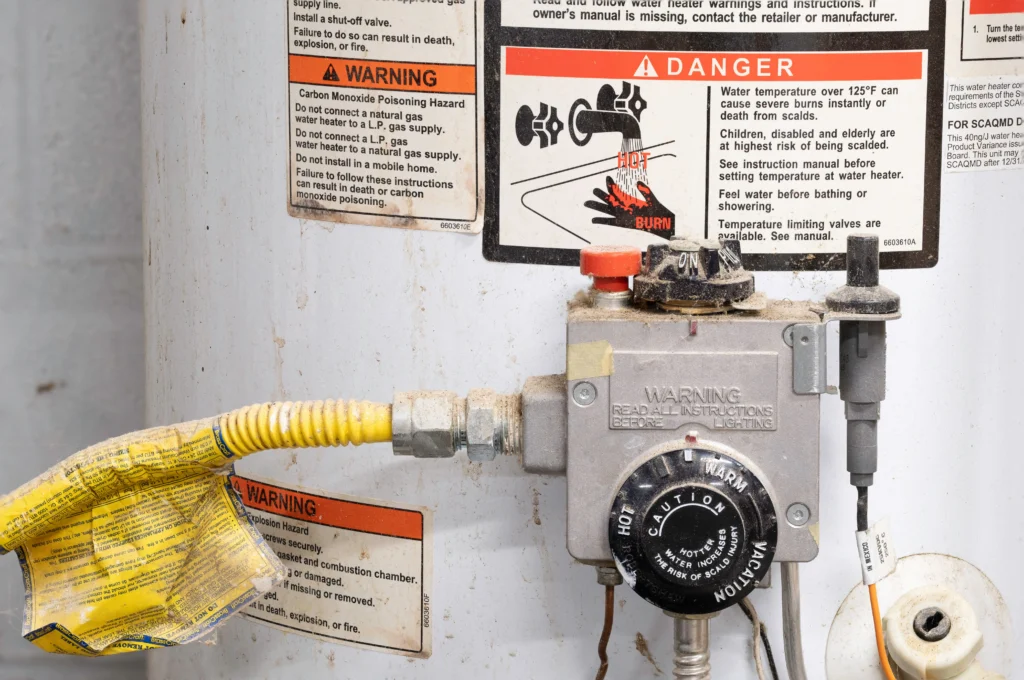
Signs that water heater components might have sustained water damage include corroded values, damp insulation, and microbial growth.
Water heater damage
External water damage is the third-most-frequent cause of loss for water heaters and most often affects conventional gas water heaters. These losses tend to occur because water heaters are housed in attics, garages, and basements—areas more prone to flooding, storm damage, and other water leaks. Even shallow water can damage the internal components of a water heater. However, higher water levels, which an appliance component failure or a weather event could cause, present a higher risk of failure and even health hazards. Experts look for corroded valves and connectors, damp insulation, and microbial growth in this instance.
Plumbing failures
As a domestic source of water damage, plumbing failures can occur in supply lines and appliances, through a toilet backup, drain pipes, or sump pump pits. Localized plumbing failures are common for leaks, with the damage typically concentrated at the water source and lessening farther away from the source.
Solenoid Valves
Solenoid valves, also known as inlet valves, regulate water use in appliances like refrigerators, dishwashers, washing machines, and steam dryers. Their failure can result in leaks from the inlet side of the valve, the valve body, or through the outlet, and appliance overflows.
Combining a forensic engineer’s assessment and verification of weather events with the knowledge of professionals who test equipment to determine the origin of equipment failure, provides adjusters with the most accurate and verifiable information to resolve claims.
Evaluating Structures, Items for Hidden Water Damage
Determining how long water has been impacting a property, or items within the property, can be corroborated with weather data and policyholder statements.
Donan’s licensed forensic engineers are uniquely trained to detect structural and surface-level indicators of potentially extensive water damage—and to know when to refer appliances for testing to determine a leak’s origin.
At the same time, CTL’s property and product failure experts will address all your product failure needs as close to first notice of loss as possible.
To collaborate with these service lines in Alpine Intel’s suite of services, submit an assignment today.

Don’t miss insurance-focused resources and webinars about property, perils, and trends impacting claims nationwide by signing up for The Savvy Adjuster Newsletter.

Be sure to also tune in to The Savvy Adjuster Podcast to hear more from the experts themselves.
Alpine Intel’s content is meant to inform and educate readers using general terms and descriptions. They do not replace expert evaluations that determine facts and details related to each unique claim.
Related Resources

Water Damage to Electronics Guide
14,000 homeowners face losses from water damage every day. At that rate, an insurance adjuster is likely to find themselves handling a water damage claim.
Adjuster’s Guide to Split System Water Damage
Split systems, one of the most common types of HVAC systems, are susceptible to water damage. However, the amount of damage and need for repairs depends on the level of exposure.