
Losses to Outdoor Electronics and Electrically Powered Items

During periods of extreme weather, adjusters may see an increase in claims involving outdoor electronics and electrically powered specialty items. Policyholders spending time outside, either relaxing or maintaining their properties, are more likely to notice damage to lawnmowers, sprinkler systems, lighting, and other items. Yet many of these failures may be overlooked or their cause of loss misclassified in initial claim reports. For insurance professionals, understanding the risks associated with these items and the importance of proper assessments is essential for accurate and fair claim resolutions.
Electric Fences
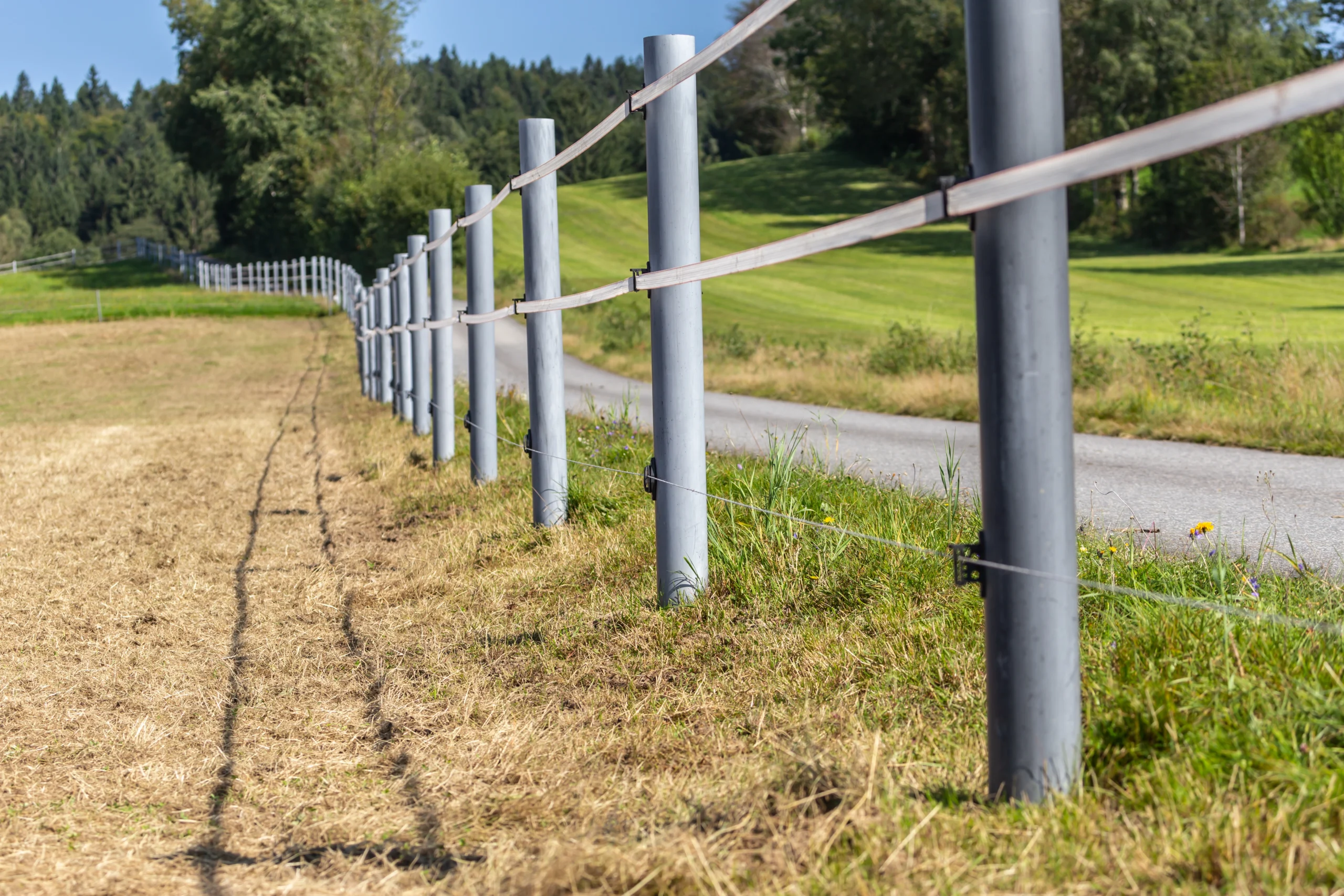
Damage to even one section of an electric fence can have repercussions for the whole system, which, if not addressed, can compromise security and safety.
Agricultural applications account for 35% of electric fences worldwide, according to Fortune Business Insights. While claims for farming properties may include them, these fences often surround residential structures and are susceptible to both environmental exposure and mechanical failure. Even underground models, which are becoming a popular choice to keep pets on the property, are regulated by an energizer, which should be mounted off the ground and away from wind and moisture.
Water intrusion is a common cause of electric fence damage, whether through direct rainfall, condensation, or poor installation practices such as placing energizers directly on the ground where it may absorb moisture. Water inside an energizer can lead to corrosion and short-circuiting, disrupting power flow to the entire fence.
Wind can also damage above-ground systems directly or, more commonly, by blowing debris onto the fence. Impact from falling trees or other items can damage the system by breaking wires or dislodging components, even far from the point of contact. Because electric fences are typically exposed to the elements, an objective assessment is required to distinguish between weather-related damage, improper installation, and wear and tear.
High voltage surge to electric fences may also occur when the flow of electricity is interrupted, or even when it is restored after an outage. However, electric fences are also frequently found to be operating as designed during claims assessments, emphasizing the importance of not settling without an expert inspection.
Generators
Generators are increasingly popular as a backup option during power outages, but these units face a wide range of potential perils. High voltage surge and lightning are commonly reported causes of loss, though direct lightning strikes are less frequent than claimed and usually show clear physical indicators.
Other weather-related perils are more common. While generators tend to be heavy and built to withstand direct strong gusts, windblown objects can still cause external damage, penetrating the casing and impacting the internal mechanics. Large-diameter hail can also dent or crack the casing. In both of these instances, it’s important to note that internal mechanics are typically protected and may be repairable.
A common cause of loss found during assessments is wear and tear, which encompasses animal damage, debris buildup, lack of maintenance, and a generator simply reaching the end of its expected lifespan. In fact, StrikeCheck found wear and tear to be the cause of loss for nearly 20% of the generators assessed in 2024.
Overheating, manufacturing defects, or poor placement near combustible materials can result in smoke or fire damage that impacts the generator’s functionality.
Not all generators included in claims are found to be damaged during an objective assessment, and those that are don’t necessarily require full replacement. According to data from the StrikeCheck 2024 Annual Claims Report, nearly 40% of assessed generator claims could be resolved through repair.
Landscape Lighting
Outdoor lighting systems may be especially susceptible to seasonal hazards. Lighting close to the ground may fall victim to impact by yard tools, falling branches during pruning or storms, or windblown debris. Wind itself can also blow lighting over or even pull it from the ground, damaging its wiring or other components. Hail with enough size and density may also impact lighting, fracturing lenses or even denting and cracking control components such as transformers and switches.
Wear and tear is another common issue fixtures face. Brittle and cracked casings can leave internal elements exposed to dirt, water, and corrosion. While high voltage surge is a common peril that impacts landscape lighting, an expert should verify through observation and testing if the damage is actually the result of wear and tear.
Due to the integrated nature of these systems, perils may affect only individual fixtures or the entire system. Expert assessments are essential to ensure claim resolutions are based on an accurate scope and cause of damage.
Lawnmowers
According to NielsenIQ, electric lawnmowers are growing in popularity, with 44% of consumers reporting plans to purchase battery-powered lawn equipment in the future. Because they face unique challenges—including fires from lithium-ion batteries—adjusters handling claims involving these machines should be aware of perils that impact them.
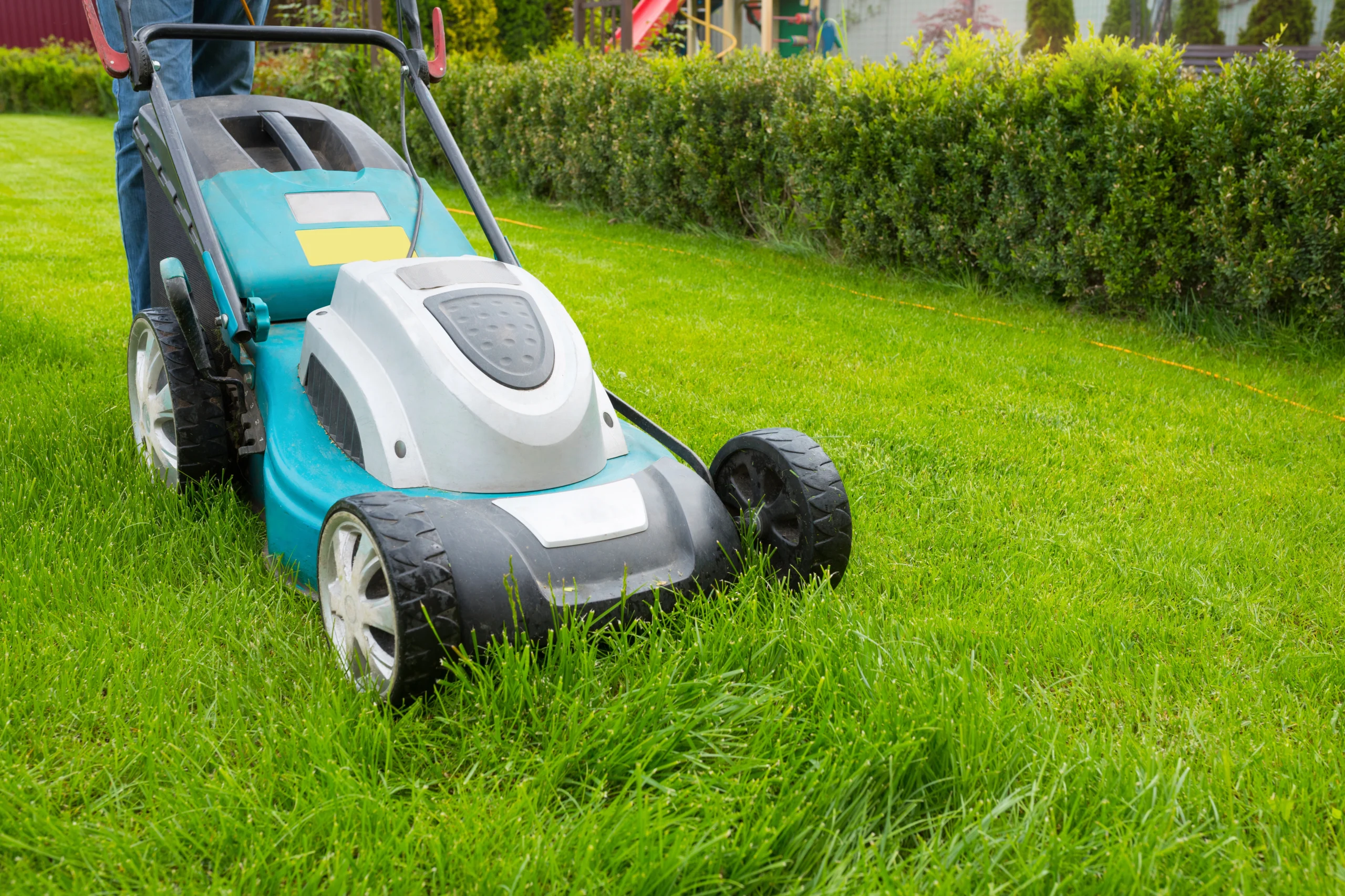
Though electric lawnmowers are becoming more prevalent, they face certain risks, like lithium-ion battery fires and high voltage surge, that gas-powered motors don’t.
During storms, it’s advisable to store lawnmowers inside to protect them from the elements. Wind events may overturn lightweight models, causing structural or mechanical damage. Conversely, lawnmowers can be struck by flying debris such as patio furniture or tree limbs. Though modern mowers are designed to withstand rain, water exposure from flood events is more harmful because it can contaminate internal components and lead to wear and tear.
Wear and tear from frequent use, improper storage, or failure to perform regular maintenance may be wrongly attributed to weather-related perils. Similarly, electric mowers may be included in claims for high voltage surge, particularly if their batteries are plugged in during the event, if there is a faulty connection, or due to rapid load fluctuations.
Saunas
Outdoor saunas are an enviable luxury, but their exposure to weather and moisture makes them vulnerable to specific types of damage. Even in an environment where moisture is expected, water damage can stem from condensation, poor ventilation, or roof leaks, leading to structural degradation and potential electrical hazards. And although wind itself rarely compromises sauna structures, impact from falling limbs or debris can physically damage external elements.
High voltage surge may be the culprit when controls fail to power on, especially if an expert finds voltage to be present at outlets. Wear and tear on electrical components may manifest as flickering lights, unresponsive controls, or faulty steam generators. In all of these cases, a comprehensive assessment is essential to confirm the true cause of loss and determine whether repair or replacement is warranted.
Well Pumps
Well pumps are essential to providing running water, so when they fail, policyholders are likely to let you know via a claim. Pumps installed outdoors are exposed to a wide variety of perils. Surge and lightning events may damage above-ground components and extend to buried systems, making full testing essential.

Well pumps installed outside are exposed to potential impact damage and freezing but may also be impacted by wear and tear or high voltage surge.
Well pumps may also be impacted by external forces such as vehicles, tree branches, or lawn equipment. Additionally, pumps are vulnerable to freezing during colder months if not properly winterized, which can lead to burst pipes and extensive water damage. High voltage surge is not uncommon.
Installation errors, corrosion, poor maintenance practices, and other types of wear and tear accounted for nearly 25% of well pump failures StrikeCheck, according to the StrikeCheck 2024 Annual Claims Report. With well pump repair costs averaging $838 compared to over $4,200 for replacement, accurate assessments can significantly reduce claim severity.
The changes in outdoor electronics claims present challenges for insurance professionals. Each claim is unique; while this article describes the most frequent perils faced by this equipment, other possibilities exist. Damages can be easily misclassified or mishandled without an inspection. Submit an assignment to StrikeCheck, part of Alpine Intel’s suite of services, to prioritize comprehensive assessments by experts, determine cause and scope of loss, reduce unnecessary replacement, and deliver accurate, data-driven settlements.

Don’t miss insurance-focused resources and webinars about property, perils, and trends impacting claims nationwide by signing up for The Savvy Adjuster Newsletter.

Be sure to also tune in to The Savvy Adjuster Podcast to hear more from the experts themselves.
Alpine Intel’s content is meant to inform and educate readers using general terms and descriptions. They do not replace expert evaluations that determine facts and details related to each unique claim.
Related Resources
Electronics Losses Adjusters See In Hurricane-Related Claims
A slideshow of real hurricane-related claims and losses assigned to StrikeCheck.
5 Electrically Powered Items That Were Repairable After Wind Damage
Dive into five claims involving wind-damaged electrically powered items and learn to navigate claim settlements with our interactive guide.
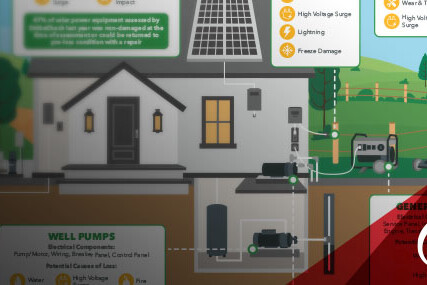
Outdoor Electronics: Your Guide to Perils, Damages, and Assessments
Claims with electronics and electrically powered specialty items may include outdoor equipment like solar power systems, landscape lighting, lawnmowers, and more.