
3 Water Heater Failures Subrogation Teams Should Know About

Water heater failures can cause significant water loss events in residential and commercial properties alike, often resulting in extensive damage and costly insurance claims. For subrogation teams, understanding the root cause of these failures is critical to assessing recovery opportunities and ensuring responsible parties are held accountable.
The Professional Engineers at Component Testing Laboratories (CTL) have identified three common tank-style water heater failure modes that may be linked to manufacturing defects and thus could be of interest for carriers invested in exploring subrogation potential. While not all such failures result in subrogation, nor are they the only failure modes that may lead to it, this article examines these specific modes, explores their likely causes, and demonstrates the importance of expert product failure testing.
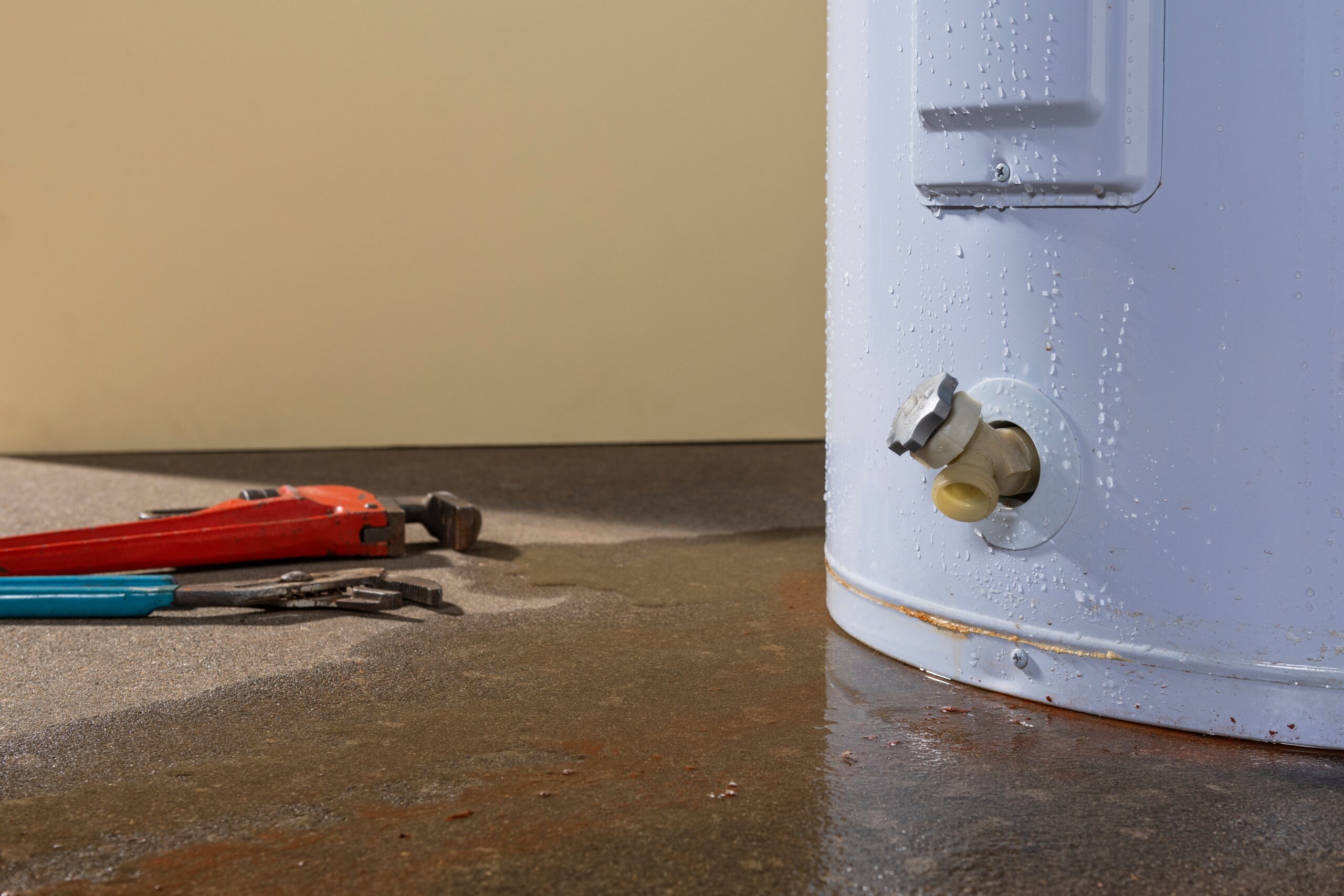
Water damage claims can arise from water heater failures, some of which may involve third-party responsibility. To make informed decisions, it is essential for subrogation teams to thoroughly investigate the root cause of these failures.
1. Storage Tank Water Heater Corrosion
The first type of water heater failure we’ll explore is storage tank corrosion. While some electric tank-style water heaters feature inner tanks made of plastic or stainless steel, others use non-corrosion-resistant steel and rely on a two-layer corrosion protection system.
The primary layer is the storage tank’s vitreous enamel internal coating that is intended to cover the tank’s entire wetted surface. It is necessary because the inner tank’s steel is vulnerable to galvanic corrosion, caused by dissimilar metals in direct contact with each other in an electrolyte. Without the enamel coating, these areas would corrode when the tank is filled with water (an electrolyte). This corrosion process accelerates if the water is soft or hot.
When properly applied, the enamel coating should effectively safeguard the water heater’s storage tank from corrosion. However, the application of this coating is not always flawless. Manufacturing defects can lead to incomplete coverage. If this happens, the water heater must rely on its secondary protective mechanism: the anode rod.
2. Anode Rod Failure
Anode rods in water heater tanks are sacrificial, meaning they are designed to corrode more quickly than the tank itself, safeguarding it from damage. Typically made from aluminum, magnesium, or zinc, anode rods play a critical role in prolonging the lifespan of the water heater.
To maintain their effectiveness, anode rods must be replaced at regular intervals, as outlined in a water heater’s installation manual. Failure to replace these rods as recommended can lead to leaks or tank failures. When failure is determined to have occurred due to a lack of anode rod replacement, it is considered to be the result of insufficient maintenance rather than a manufacturer’s defect.
However, certain types of anode rod failures may fall under the manufacturer’s responsibility. One example is when an anode rod becomes separated from the hot water fitting. In such cases, the rod may show partial consumption, which suggests it was intact and functional for some time. The partial consumption indicates that the rod was not damaged during installation but was operational before the separation occurred.
Anode rods can also fail due to passivation. This occurs when a passivation layer forms over the anode rod, typically because of water with high carbonate hardness. This layer creates a barrier, preventing the water from contacting the anode rod, thereby rendering it ineffective. Such failures suggest that the manufacturer may have used the incorrect type of anode rod for the specific water conditions present.
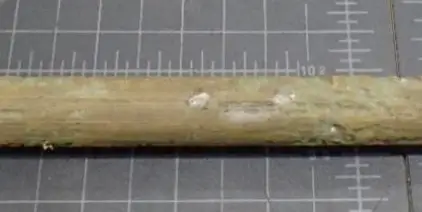
A passivation layer has formed on this anode rod, preventing it from corroding as intended.
If both layers of an electric water heater’s corrosion protection system fail, the storage tank can develop a hole, leading to leaks and exposing your policyholder’s home or business to water damage.
3. Drain Valve Failures
Drain valve failures are also common in tank-style water heaters due to rubber seal or plastic shaft degradation. Drain valves consist of a female side that threads into the water heater, a male side that screws into the female portion, and a rubber seal in between to prevent leakage.
When leaks occur from the drain valve, the seal should be examined. Fractures, separation, and localized degradation on wetted surfaces of this rubber seal suggest the water supply, particularly its chlorine content, is the cause. Chlorine and chloramines are added to city water supplies for sanitation, as mandated by the Safe Water Drinking Act. These additives can degrade rubbers and plastics in plumbing systems if materials are not designed to be chlorine resistant. Rubber seal degradation typically manifests within two years of production and tends to indicate that the seal was formulated or processed incorrectly by the manufacturer and is incompatible with the water supply.
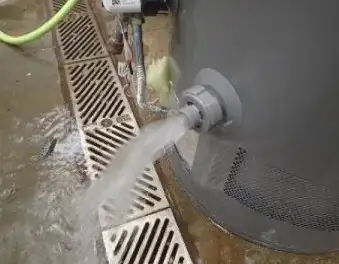
This image depicts a drain valve leak in a water heater, demonstrating that a failure has occurred.
Similarly, improperly formulated or processed plastic in the valve shaft may degrade on its interior (wetted surface) within four to five years, leading to leaks and potential water damage.
Expert Testing for Confident Decisions
We have only begun to uncover the complexities of water heater failures here; Tankless water heaters, like their tank-style counterparts, can also experience a range of failures that may trace back to manufacturers or installers. To make confident subrogation decisions after a water heater leaks, it’s essential to uncover the root cause with objective insights.
This process starts with expert product failure testing. Component Testing Laboratories (CTL), part of the Alpine Intel suite of services, includes three of the highest-volume forensic laboratories of their kind. These state-of-the-art locations operate as full-service facilities to address all your product failure needs as close to the first notice of loss as possible. Loss Logistics, our in-house transportation service, combines customized packaging and fast shipping to ensure evidence arrives at each CTL location in an unaltered condition. For accurate, evidence-based answers to product failure questions—including water heater failures—submit an assignment today.

Don’t miss insurance-focused resources and webinars about property, perils, and trends impacting claims nationwide by signing up for The Savvy Adjuster Newsletter.

Be sure to also tune in to The Savvy Adjuster Podcast to hear more from the experts themselves.
Alpine Intel’s content is meant to inform and educate readers using general terms and descriptions. They do not replace expert evaluations that determine facts and details related to each unique claim.
Related Resources
Water Heater Diagram
We’ve created an easy-to-read schematic with labeled components for both gas-fired water heaters and electric water heaters for your reference.
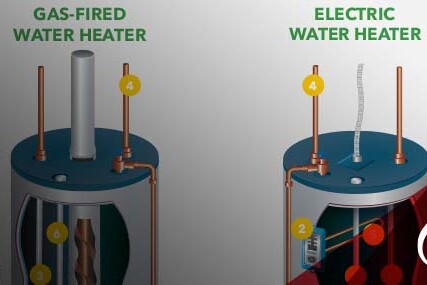
Water Heater Overview
Understand what components are different in gas vs. electric water heaters and how they work in this water heater overview.
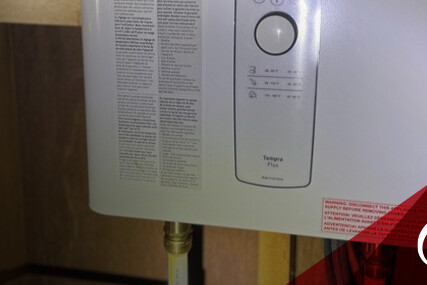
Tankless Water Heater Diagram
Our experts have put together a labeled diagram that shows where each component of a tankless water heater can be found as an easy reference for insurance adjusters