
Exploring Electric Vehicle Fires: Risks and Investigations

While electric vehicle (EV) fires often capture headlines, emerging data shows they occur less frequently than fires in internal combustion engine (ICE) vehicles. Research conducted by EV FireSafe suggested that the approximate risk of a passenger EV battery fire is 0.0012%, whereas there may be a 0.1% risk associated with ICE vehicles.
Still, the headlines shouldn’t be dismissed outright. By January 2025, over 6.4 million plug-in electric vehicles (PEVs) had been sold in the U.S. cumulatively, according to Argonne National Laboratory. With the rise of EVs, the unique risks posed by the lithium-ion batteries that power most of them demand closer attention, especially for insurance professionals. Read on to uncover these hazards and learn how EV fire investigations differ from those involving ICE vehicles.
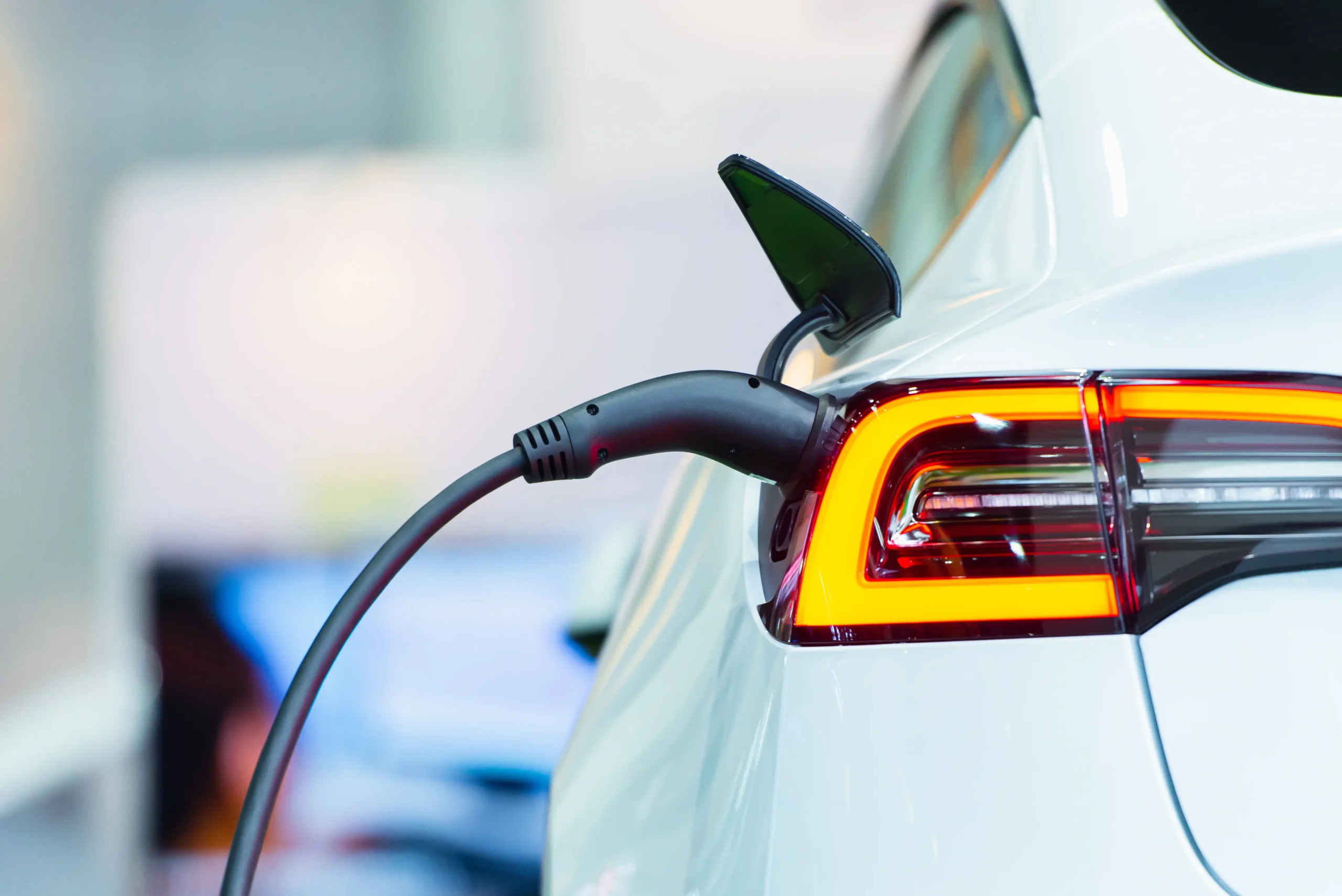
Lithium-ion batteries, found in most EVs, have specific risks that can contribute to EV fires.
Why Lithium-Ion Batteries in Electric Vehicles Present a Fire Risk
Lithium-ion batteries are favored by EV manufacturers for their ability to store large quantities of energy in a compact space. But their chemistry can also make them dangerous. When these batteries are damaged or defective, they may undergo a process known as thermal runaway, during which heat builds up in the batteries faster than it can be dissipated. This uncontrollable heating can potentially lead to a fire.
Damage to EV batteries can occur for a variety of reasons, such as vehicle collisions, but also from more unexpected sources—like seawater. Submersion in salt water during flooding can lead to EV battery corrosion, creating a fire risk that may persist for weeks after flooding has subsided.
Another concern with lithium-ion batteries in EVs, according to the National Fire Protection Association (NFPA) is their propensity to release flammable, toxic gases like carbon monoxide, methane, and hydrogen. If these gases accumulate to explosive levels and encounter an ignition source, they can cause explosions.
How Electric Vehicle Fires Differ from Internal Combustion Engine Vehicle Fires
EV fires differ fundamentally from those that originate in ICE cars. ICE vehicles require a combustion event to produce the flammable or toxic gases previously mentioned. By contrast, EVs can emit these gases without burning.
Furthermore, EV fires reach higher temperatures compared to their ICE counterparts. Extinguishing these fires often demands greater resources, such as submerging the entire vehicle in water or applying specialized foams designed for lithium-ion battery fires.

Because EV fires can be particularly difficult to extinguish, damage to the vehicle may be extensive.
Even after being extinguished, EV fires can reignite days or weeks later due to stranded energy—a phenomenon where residual energy remains in the battery cells after thermal runaway has occurred. These characteristics not only make firefighting more complex but also necessitate specialized protocols during claim investigations to identify the fire’s most plausible root cause.
Special Considerations in an Electric Vehicle Fire Investigation
Any fire claim investigation should be conducted by certified fire investigators who adhere to the NFPA guidelines and center the scientific method. But some additional concerns differentiate EV origin and cause investigations from those of ICE vehicles.
- Specific Safety Precautions Required
Investigators must exercise caution when examining EVs, as residual energy can pose electrocution or reignition risks. This unpredictability reinforces the critical need for stringent safety measures to protect first responders, investigators, and vehicle owners.
- Collaboration with Manufacturers May Be Warranted
Due to these safety concerns, fire investigators may use the EV manufacturer as a resource. Manufacturers can provide fire investigators with in-depth information on the specific model to assist in addressing safety issues during examinations. Partnering with an investigative team experienced in facilitating joint inspections can greatly benefit insurers handling EV fire claim investigations.
- Further Testing Can Provide Additional Answers
Some EV fires occur after a collision. In such cases, the vehicle’s Event Data Recorder (EDR) may be able to provide critical details about the vehicle’s pre-fire activity. Accessing this data requires the help of an expert who can extract raw information and analyze the findings for the carrier. This data can be especially valuable in claims that progress to litigation.
Fire investigators can also work alongside engineers who are highly knowledgeable about vehicle system failures to gain deeper insights into a fire’s origin and cause, as well as identify potential subrogation opportunities. Additionally, reviewing recalls or recent repairs performed on the EV can help investigators assess external factors that may have contributed to the fire.
How the Right Investigative Partner Can Help
Navigating the complexities of EV fire claims is no small task. For insurers, adjusters, and SIU teams, collaborating with certified fire investigators who possess specialized expertise can streamline the process and yield valuable insights into the fire’s likely origin and cause and next steps.
National Fire Experts’ (NFE) certified fire investigators can evaluate the evidence from any fire scene—including those complicated by the specific risks of EVs—to provide an actionable, top-of-class report. As part of Alpine Intel’s suite of services, NFE’s investigators can also partner with Component Testing Laboratories (CTL) for event data retrieval and product failure investigations based in the principles of the scientific method. Submit an assignment to partner with NFE on your next fire claim investigation.

Don’t miss insurance-focused resources and webinars about property, perils, and trends impacting claims nationwide by signing up for The Savvy Adjuster Newsletter.

Be sure to also tune in to The Savvy Adjuster Podcast to hear more from the experts themselves.
Alpine Intel’s content is meant to inform and educate readers using general terms and descriptions. They do not replace expert evaluations that determine facts and details related to each unique claim.
Related Resources
Understanding Electric Vehicle Fires: A Guide for Insurance Professionals
Learn the unique challenges of electric vehicle fires, how certified fire investigators approach these claims, and options for further testing.

Apartment Fires: Causes and Investigations Guide
Learn common causes of apartment fires, how investigators approach assessments, and the characteristics that can introduce unique considerations to these claims.
Electrical Fires: What Experts Consider for Origin and Cause Investigations
Know signs of electrical fire and what fire investigators look for, like electrical arcing, outdated wiring, and overloaded circuits with this guide.