7 Ways Claims Managers Can Prepare for Insurance Litigation

Claims managers are encountering an upward trend in insurance claims escalating to litigation. From 2017 to 2021, the percentage of such claims rose by a staggering 47%, according to ALM. Several factors may have contributed to this rise, including inflation-driven increases in material and labor costs and the ease of participating in legal proceedings due to the shift toward remote work. Read on for seven tactics that can help claims managers to confidently lead their teams through litigation processes, from continuing education to vendor selection and more.

While most claims that go into litigation are settled before they reach trial, managers who take ownership of the process can guide their team through each step.
Familiarize yourself – and your adjusters – with the insurance litigation process. By knowing each step and everyone’s role in it, you can ensure that you’re well-prepared if and when a lawsuit occurs. This proactive approach not only helps in managing claims more effectively but also enhances the overall efficacy and reliability of your claims management system.
If you have in-house counsel, don’t wait for legal issues to arise before asking questions. If you’re unsure about any aspect of the litigation process, ask for clarification. This ensures that everyone is on the same page if a lawsuit arises after a claim decision has been made.
Communicate effectively. Maintaining clear and open lines of communication is a good idea throughout the claim’s life cycle. When it comes to litigation, ensuring that all stakeholders, including your legal counsel, involved members of your team, and any vendors or other third parties who are part of the lawsuit, have the information they need is crucial for preventing misunderstandings and ensuring smooth case progression. It’s also a good idea to keep logs detailing every email, call, and meeting related to the claim. Effective communication fosters trust and can help your team build a more robust defense.
Adhere to industry best practices. Ongoing education and skill development equip insurance professionals to handle both complex property claims and litigation scenarios. Professional workshops, webinars, and other educational opportunities help managers and adjusters stay on top of property loss topics that might show up in claims and litigation-specific considerations.
Managers can facilitate proactive litigation management by seeking out resources that can help keep themselves and their team up to date on the latest legal trends and court decisions that might impact claims. This knowledge enables teams to adapt their strategies accordingly, ensuring their approach is contemporary and informed.
Streamline discovery. Being organized and having all records in place can expedite the discovery stage of the litigation process. Gather all relevant evidence as soon as possible. This will be easier if you’ve already developed an evidence management process that makes procurement, review, and analysis simple.

Careful evidence management and documentation – even when no lawsuits are likely – can make the discovery process flow more smoothly.
Any evidence and information shared with your legal team should be thorough; the more comprehensive your documentation, the stronger your position will be. Keeping the process moving keeps your company in compliance and helps meet deadlines, minimizing the risk of adverse rulings.
Look at each case objectively. Even in the absence of a lawsuit, managers and their teams should conduct thorough evaluations for each claim early and throughout its life cycle. Once in litigation, this involves understanding the nuances of each case, analyzing all available evidence, and determining the potential impact on policyholders and the company. A detailed assessment sets the foundation for a strategic approach. It can also help managers develop a plan for various outcomes based on the facts of the case.
Prepare a budget. Litigation is expensive, and it’s important to watch the bottom line. Determine the optimal litigation outcome, and outline a budget required to achieve it, including itemized in-house costs and estimates of outside expenses. Each case should have alternative plans for contingencies as the situation progresses. Once all stakeholders are on board with the plan, monitor the resources deployed on the company’s behalf to ensure there are no large, unexpected costs.
Develop a strong support team. Having a strong support team is crucial for effective litigation management. Building this team should start well before litigation, as it can also strengthen your claims process. This team starts in-house but extends well beyond the carrier. Third-party vendors engaged during claim handling are often called upon to testify. If the case goes to trial, a favorable outcome may depend upon their ability to defend their findings. Make sure partners involved in claims have a good reputation for objectivity and expertise during assessments – and that they’re prepared for the possibility of providing testimony during litigation.
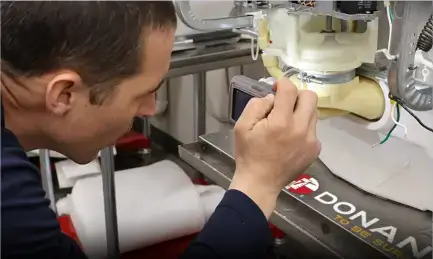
Experts with a proven track record for thoroughness and objectivity can help strengthen your defense by providing expert opinions based on just the facts.
By mastering these strategies, claims managers can effectively navigate the challenges of claims litigation, but it takes preparation and strong partnerships. Submit an assignment to experience how brands in Alpine Intel’s suite of services can help facilitate the claim process from assessment all the way through litigation.

Don’t miss insurance-focused resources and webinars about property, perils, and trends impacting claims nationwide by signing up for The Savvy Adjuster Newsletter.

Be sure to also tune in to The Savvy Adjuster Podcast to hear more from the experts themselves.
Alpine Intel’s content is meant to inform and educate readers using general terms and descriptions. They do not replace expert evaluations that determine facts and details related to each unique claim.
Related Resources

Fire Claims: From Investigation to Litigation
Your fire claims may require onsite investigations, transporting evidence, product assessments, and litigation support. Consider this all-inclusive path.

4 Ways Engineers Help Adjusters With Tornado Claims
Tornado-related claims can feel overwhelming for adjusters who lack extensive knowledge of structural damages. Discover 4 ways engineers can help.

3 Ways to Receive Superior Customer Service From Your Claims Vendor
Ensure your claims vendor has these 3 characteristics, and see how StrikeCheck delivers them.