
Understanding Space Heater Fires and Resulting Claims

When central heating systems fail or are inaccessible, families often turn to alternative heating solutions for warmth. But they should do so with caution; according to the National Fire Protection Association (NFPA), heating equipment is one of the top causes of home fire deaths and resulted in an estimated $1.2 billion in property damage annually from 2020 to 2024.
Space heaters, in particular, are a significant home fire hazard in the fall and winter. To better understand and address space heater fires and subsequent claims, it’s important to recognize the common causes behind these incidents.

Space heaters are an important heat source for some insureds but can also present a significant fire hazard.
Types of Space Heaters Used in the Home
There are several different types of space heaters your insureds may use, and each comes with its own fire risks.
Kerosene Heaters
Kerosene heaters run on the controlled burning of kerosene and are typically unvented, meaning they release combustion gases into the surrounding air. Fire risks increase if kerosene heaters are placed near combustible materials, such as bedding, carpet, curtains, or furniture. Policyholders may also cause home fires or explosions by accidentally igniting the fuel used in these devices or using them in the presence of flammable fumes.
In addition to the risk of fires, kerosene heaters can cause property damage by emitting soot and could endanger users through carbon monoxide production. If users are unaware that their kerosene heater’s wick is too low or too high, they may keep their heater running. Once the wick is depleted, the flame begins to produce soot, potentially damaging nearby property. Additionally, if kept in small, unventilated areas, kerosene heaters can deplete the air of oxygen, leading to incomplete fuel combustion and the production of carbon monoxide—a toxic gas.
Propane and Natural Gas Heaters
Propane heaters, as the name suggests, run on propane. Liquid propane is stored in a tank, compressed into gas, and then burned to heat a space. Natural gas heaters operate in much the same way with natural gas. Since both substances are highly flammable, any leak in these devices can lead to a serious fire risk and/or explosion. Like kerosene heaters, propane and natural gas heaters also release carbon monoxide and must be properly ventilated to avoid poisoning residents.

Some space heaters run on natural gas, which is highly flammable and could present a fire risk.
Electric Space Heaters
Electric space heaters are a popular choice in residential settings and come in variety of types, including oil- or water-filled radiator, forced-fan, ceramic, and infrared. Oil or water-filled radiators circulate heated oil or water through their cores, whereas fan-forced heaters use a fan to blow air over heated metal coils and distribute warm air throughout a space. Ceramic heaters warm the air as it passes over a ceramic heating element, providing rapid and effective heating. Infrared heaters, on the other hand, utilize infrared bulbs to create heat, warming objects and surfaces directly in their path.
What Makes Electric Space Heaters Fire Hazards?
Electric space heaters typically draw a great deal of electrical energy and as a result, can also become a large source of energy for a fire. This risk may increase when policyholders:
- Place electric space heaters too close to combustible materials
- Leave them powered on for an extended period of time, especially unattended
- Use them in wet or damp areas such as bathrooms
- Use an extension cord or power strip rather than plugging them directly into the wall

When placed too close to combustible materials, space heaters can spark residential fires.
Space Heaters and Subrogation
Many space heaters in use today are tested by Underwriters Laboratory (UL)—a trusted authority in product safety certification. However, it’s important to note that non-UL listed space heaters may not be tested to the same safety standards. In recent years, manufacturers have also significantly enhanced space heater safety features, integrating automatic shut-off mechanisms and thermostats designed to alert users when overheating occurs.
While most fires caused by space heaters can be traced back to user error, some can be linked to a manufacturer’s defect. There may be cases in which product failure testing should be used following a fire investigation to provide carriers with all the facts they need to determine whether or not to pursue subrogation in the event of a fire claim.
Investigating Space Heater Fires
After receiving a fire claim, swift collaboration with certified fire investigators is essential to verify the origin and cause, whether the catalyst is reported as a space heater or unknown. These experts should be able to secure the scene quickly to preserve crucial evidence, while applying their knowledge of fire dynamics and burn pattern analysis to systematically reach actionable conclusions.
Alpine Intel offers a comprehensive suite of services to address property loss questions, including those surrounding incidents that may involve space heaters. National Fire Experts (NFE) brings hundreds of years of combined experience to fire investigations and is fully equipped to evaluate whether a space heater was involved in the ignition of a fire. If a space heater is found to be a factor, Donan’s Component Testing Laboratories (CTL) can conduct expert product testing to help you assess whether subrogation is a possibility. Should you need information regarding the scope of damage to any electrically powered items following a space heater fire, the skilled electronics experts at StrikeCheck can help via an on-site Find out more about Alpine Intel’s suite of services.
Engineering services are provided by or subcontracted to Donan Engineering, LLC, Donan Engineering NC, PLLC, or Donan Forensic, LP. National Fire Experts performs work in Indiana under Donan Engineering, LLC license PI20700047.

Don’t miss insurance-focused resources and webinars about property, perils, and trends impacting claims nationwide by signing up for The Savvy Adjuster Newsletter.

Be sure to also tune in to The Savvy Adjuster Podcast to hear more from the experts themselves.
Alpine Intel’s content is meant to inform and educate readers using general terms and descriptions. They do not replace expert evaluations that determine facts and details related to each unique claim.
Related Resources
Water Heater Overview
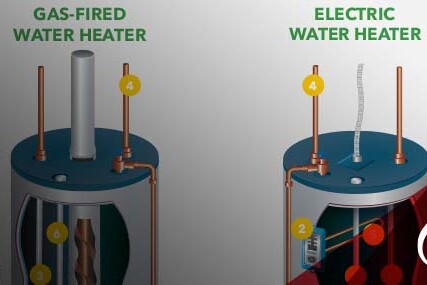
Understand what components are different in gas vs. electric water heaters and how they work in this water heater overview.
What To Look For in Water Heater Claims eBook
Water heaters can be difficult to evaluate, particularly because there are multiple types, such as tankless or tank water heaters and different heating sources, including gas or electric.

Understanding Water Damage in HVAC System Claims Guide
Rains, flooding, and leaks can all cause water to get into places it shouldn’t be – including your policyholders’ HVAC systems.