Is the Heat to Blame for Summer Claims?
Temperatures are rising throughout much of the United States, and many people are spending more time indoors to take advantage of air conditioning. Increased reliance on HVAC systems often translates to a busy time for related claims. Hot weather fosters volatile weather systems, and accompanying perils may damage equipment—but policyholders may also inaccurately attribute existing damages to heat. Adjusters handling summer HVAC claims should be aware of what damage they’re most likely to encounter and how an assessment can prevent them from settling for an inaccurate cause of loss or for equipment that’s working properly.

Adjusters should know what’s needed to determine whether claimed HVAC equipment is damaged or simply not designed for the extreme heat felt throughout the summer months in recent years.
How Outside Temperature Affects HVAC Systems
Direct heat seldom damages HVAC equipment, but that’s not to say it doesn’t contribute to other perils. Here are just a few causes of loss adjusters may see claimed more often in summer months.
Lightning
In the summer, warm temperatures mean the atmosphere holds more humidity (the same moisture that HVAC systems are working hard to keep out of inside air), allowing clouds to build. These clouds can produce thunderstorms and lightning, making many policyholders report that their equipment was struck.
Weather data and a StrikeCheck lightning verification report can help adjusters confirm if cloud-to-ground lightning was present in the area at the time of the loss. On-site testing can also determine whether the equipment was impacted by high voltage surge, often mistaken for lightning damage, or another peril.
Hail
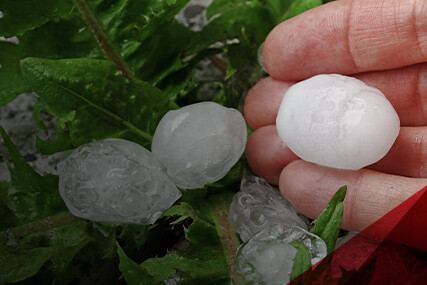
Summer storms may also produce hailstones; hail is one of the most frequently claimed causes of loss to HVAC equipment in early summer months. Larger hail can impact outdoor components like condenser coils and fans, but adjusters shouldn’t settle without an expert assessment.
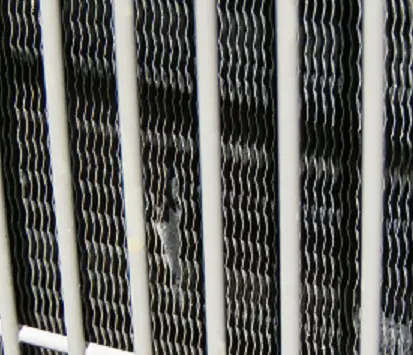
Though hail may bend condenser coils, an expert assessment may recommend repairs vs. a full replacement or even determine that there is no functional damage to the equipment.
Though cosmetic damage can serve as a good indicator of the size and direction of falling hail, HVAC equipment is designed to withstand the elements, and the hail may not have impacted the system’s functions. Even equipment with confirmed hail damage may not require full replacement to return to pre-loss condition.
Learn More: Listen to Alpine Intel’s The Savvy Adjuster Podcast: Hail Damage and Collateral Indicators.
Flooding
Extreme rainfall from storms, water driven by hurricanes, and other flood events can have unexpected consequences. In addition to direct water damage to electrical components in HVAC systems the force of floodwaters can lead to foreign object impact as they drive debris into vulnerable equipment. The water itself or erosion can move package units and condensing units, and certain types of water can accelerate corrosion to various parts of the system and speed up wear and tear.
Learn More: Dig a little deeper into flooding and more in the Understanding Water Damage in HVAC Systems Guide.
Heat-Related Losses, Something Else, or Nothing at All?
Hail, lightning, and flooding are perils that may increase in summer, but not all HVAC equipment damage claimed in the summer is necessarily related to the heat. One reason for the influx of summer claims is that many policyholders notice issues with their systems for the first time when they start to rely heavily on air conditioning. That means that other causes of loss may have existed unnoticed for a while, including:
- Wear and tear to mechanical system elements
- Low refrigerant levels resulting in poor cooling performance
- Dirty condenser coils, evaporator coils, or other components
- Condensation that has resulted in microbial growth or corrosion
Summer conditions can bring these issues to light, but they’re not always the result of hot weather. Another condition may arise that highlights the need to assess each HVAC system in a claim: that the system was simply not designed to meet the cooling load it’s facing. Policyholders and even contractors can mistake a system constantly running to combat the outside temperature or being unable to cool air or remove humidity at a comfortable level as a sign of damage. In fact, 20% of HVAC and refrigeration systems assessed by HVACi in 2025 were found to be functioning properly at the time of evaluation.
Adjusters who use an independent assessment to determine the cause and scope of loss are better equipped to accurately settle summer HVAC claims. Find out how HVACi delivers just the facts adjusters need through on-site assessments by a nationwide team of experts and, if necessary, support from other brands in Alpine Intel’s suite of services, including StrikeCheck and Donan. Submit an assignment.

Don’t miss insurance-focused resources and webinars about property, perils, and trends impacting claims nationwide by signing up for The Savvy Adjuster Newsletter.

Be sure to also tune in to The Savvy Adjuster Podcast to hear more from the experts themselves.
Alpine Intel’s content is meant to inform and educate readers using general terms and descriptions. They do not replace expert evaluations that determine facts and details related to each unique claim.
Related Resources

Understanding Water Damage in HVAC System Claims Guide
Rains, flooding, and leaks can all cause water to get into places it shouldn’t be – including your policyholders’ HVAC systems.
Unexpected Twists in HVAC Claims
An accurate cause of loss can ensure a fair outcome that prevents claim leakage and reoccurring damages. This guide examines several claims that had surprising causes of loss following an assessment.
HVAC Spring Storms Claims Quiz
Test your knowledge about HVAC-related spring storm claims with our quiz for adjusters.