Fire Litigation Support That Delivers

If you handle fire claims, you know the importance of clear communication and fact-based conclusions from your investigator. A defined origin and cause determination from a certified fire investigator can go a long way in preventing bad faith litigation that can happen when a policyholder is dissatisfied. However, legal action is sometimes taken months or even years after the claim is settled, so it’s important that your fire assessment partner is transparent about the litigation support you’ll receive if and when you need it.
Litigation can catch you by surprise. A fire assessment partner who is ready to offer support can make the process less stressful and more likely to yield a favorable outcome.
Why You Should Be Prepared for Litigation
Even if a claim seems straightforward, adjusters should take steps to make sure they’re ready if it ends up in litigation. As with a lot of property damage, emotions can run high following a fire, and policyholders may try to take legal action after you make your settlement decision if they feel:
- They weren’t privy to necessary information
- The settlement decision wasn’t backed by facts
- The claims process was not timely or properly executed
Though adjusters should be ready for any claim to end up in litigation, certain things in a fire claim may mean it is a more likely outcome. These include suspicions of fraud, high-dollar losses, and particularly aggressive attorneys or public adjusters already involved in the claim. While not an extensive list, if any of these are present in your claim, you’ll want to engage an assessment partner with experts who can provide support beyond their origin and cause determination.
Experts Who Think Ahead
Fire investigators like those at National Fire Experts handle each assignment with care that will serve carriers in good stead if their claim settlement decisions are challenged, in cases of subrogation, and if the carrier itself must provide witness testimony. There are several advantages to this approach.
The entire process is documented. From the moment you submit an assignment for origin and cause, the vendor should keep records of every touch point, including communication with the insured or their representative, attorneys, and insurance professionals. This documentation can help resolve any dispute about what information was shared with whom, as well as create a paper trail of consent with the policyholder.
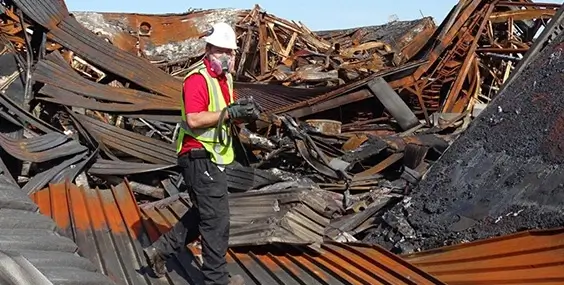
Photos and 3-D scans help document the scene at the time of the investigation, which is useful in cases where litigation occurs months or even years after the fire occurred.
During the onsite portion of the origin and cause investigation, NFE experts document their observations with photos, 3-D scans or videos, which provides evidence of the scene at the time of their report. If the settlement based on their findings is challenged after the scene has been cleaned and damage has been remediated, these images may support your decision, or help your expert witness explain their determination.
Investigators follow National Fire Protection Association (NFPA) guidelines. NFPA 921 was developed by a nonprofit organization and is widely accepted as the industry standard for fire investigation procedures among public and private certified fire investigators. An assessment partner who follows it is key to successful fire litigation because it establishes them as an unbiased investigator and their conclusions are reached via the scientific method.
Evidence is secured and preserved. Because so much time can pass between claim settlement and litigation, it’s important to manage evidence carefully in case it needs to be reviewed. Look for experts who document the evidence and who can provide a secure location to store it to prevent spoliation. NFE has secure state-of-the-art storage facilities and meticulously tracks any evidence related activity.
These measures are all important during the investigation itself, but what about when you need a fire expert witness for your claim?
The Role of Expert Testimony
You have enough to manage once the claim goes into litigation. There should be no surprises from your assessment partner about the level or quality of support they’ll provide. From the start, they should be transparent about who will serve as your expert witness in this eventuality. If possible, this person should be the expert who conducted the investigation. However, if enough time has passed this might not be possible, and your assessment partner should have an expert who fully understands the original investigator’s methods and conclusions ready to speak for their work.
You’ll also want to make sure your expert prepares their own statements for the deposition. Too often fire assessment vendors tout robust litigation support, only to leave the preparation to the carrier. Don’t let that responsibility fall to your team – or to an inexperienced witness. Experts who have received extensive training from their organization on providing witness testimony have additional credibility and will be better able to explain and defend their origin and cause findings, making a favorable litigation outcome more likely.
NFE, part of Alpine Intel’s suite of services, has a dedicated legal team that provides training and preparation for witness testimony. An 11-step investigation ensures consistency for each assignment and conclusions rooted in a strict scientific process. As a result, our experts provide expert testimony that can be trusted. Submit an assignment, and experience the difference.

Don’t miss insurance-focused resources and webinars about property, perils, and trends impacting claims nationwide by signing up for The Savvy Adjuster Newsletter.

Be sure to also tune in to The Savvy Adjuster Podcast to hear more from the experts themselves.
Alpine Intel’s content is meant to inform and educate readers using general terms and descriptions. They do not replace expert evaluations that determine facts and details related to each unique claim.
Related Resources

Fire Claims: From Investigation to Litigation
Your fire claims may require onsite investigations, transporting evidence, product assessments, and litigation support. Consider this all-inclusive path.
Your Questions About Fire Investigation Evidence Answered!
A crash course in how evidence is defined, collected, preserved by professional fire investigators, and how adhering to these guidelines ensures a conclusive investigation.

Evidence in Vehicle Fire Claims Guide
Vehicle fire investigations include unique considerations. Learn what certified fire investigators consider when determining the most plausible origin and cause.