When To Seek a Property Damage Assessment as an Adjuster
It doesn’t matter if it’s first thing Monday morning or late Friday afternoon; when a claim hits your desk, you have a decision to make. Your policyholder is counting on you to resolve their claim quickly and fairly. That means fully understanding all the items, and losses, included in it before deciding how to proceed.
Here’s how to tell if hiring an objective third-party expert to conduct a comprehensive property damage assessment is necessary.
You Aren’t Sure If Equipment Can Be Repaired
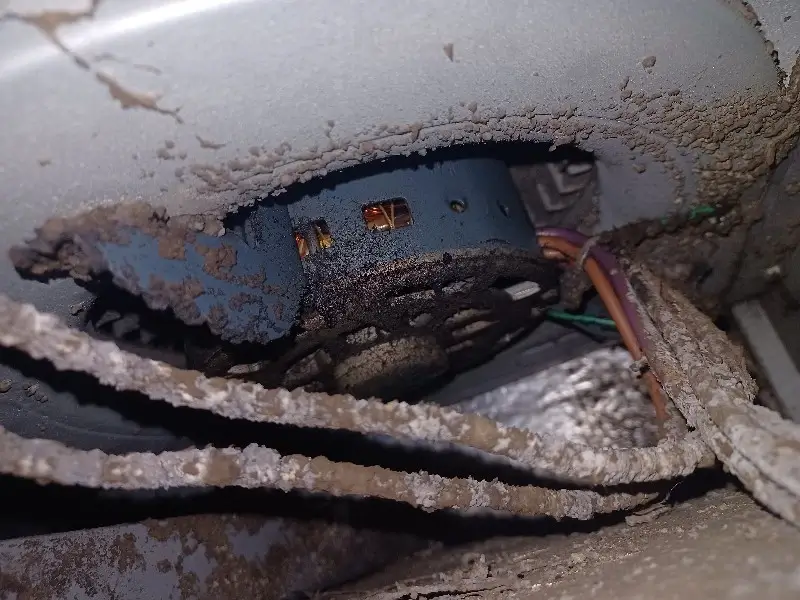
Without knowledge about different types of equipment, like this blower motor in an HVAC system, you may not be sure if a repair is the best next step to return equipment to pre-loss condition.
Policyholders sometimes file a claim after their contractor has recommended they get rid of their old equipment because they need the latest and greatest model. Or more often, a claim is filed before anyone has inspected the property, and the next best steps are unknown.
Whether it’s a malfunctioning refrigerator, a failing furnace, or a leaky faucet, expert damage assessments are critical to provide an objective perspective on whether repairs are more appropriate than a full replacement.
The Scope of Damage Isn’t Clear
Even when the cause of loss seems obvious and covered by the policy, that doesn’t give you enough to go on for a confident claim resolution. Examples of this are major events like a tornado ripping through a town or a hurricane coming ashore. You know which related perils most likely caused the loss, but the scope of damage won’t be confirmed until an expert familiar with the damaged property assesses everything.

Wind damage from a hurricane may seem obvious, but this photo doesn’t show the full extent of the damage, such as if any structural support beams were impacted.
Collateral indicators may reveal that flooding was present during a hurricane but that it didn’t impact a structure. A picture of a tree falling on part of a building doesn’t convey if the property now has structural damage that could pose bigger problems. And just because a burst pipe has been repaired, doesn’t mean that all of the water damage was found and cleaned up or that the foundation wasn’t impacted.
Even when a peril seems clear, an expert damage assessment can ensure all damage is accounted for, which could prevent more or worse losses in the future.
You Need Loss Photos and Equipment Data
When the policyholder files a claim, they may not have submitted the information necessary for you to fully understand the loss or the specific equipment that was involved. Going back and forth with a policyholder may irritate them and still not provide you with what you need.
A third-party expert is there to gather evidence for you by taking pictures of the property, specific components, and the data plates for each claimed item. They’ll consider other aspects of the property and other critical data before reporting their findings. What’s more, the report that accompanies the images will explain to you what you’re looking at, and why it may matter to the overall claim.
Manmade Damage – Or Another Cause of Loss – Could Be at Fault
Some claims may not be as they initially seem and require thorough evidence gathering to get to the bottom of them. For example, a certified fire investigator at an apartment fire could reveal that an incendiary device and a gas can were involved.
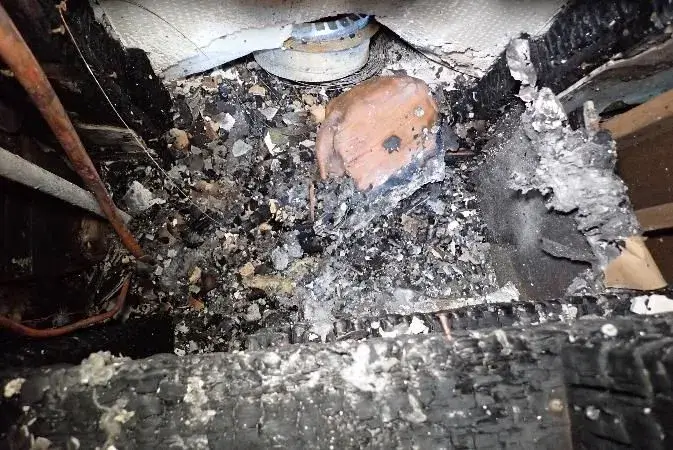
The remains of a plastic gas can were found during a fire investigation at a vacant apartment.
A reported cause of loss could also be a case of mistaken identity. Hammer marks may look like hail impacts to the untrained eye. Or the HVAC system that stopped running in the middle of a storm might not have been affected by lightning but simply had wear and tear damage that caused it to malfunction.
An expert assessment would guarantee that the most likely cause of loss is verified and potentially reduce the amount of claims leakage from losses that aren’t covered by the policy.
You Don’t Need an Onsite Assessment – Can a Property Expert Still Help?
There are a few situations where an expert isn’t needed to go onsite to evaluate property included in a claim. But that doesn’t mean you should leave them out of the claims resolution process.
For example, if the claimed equipment is no longer available to test but the policyholder has an invoice for replacement equipment, an expert can still help. An external desktop review of solar panels included in a claim, for example, can confirm if the recommended equipment is Like Kind and Quality to what is already there and if the proposed costs are in line with market values.
You may also need an expert opinion before you decide if an onsite assessment is warranted. Policyholders often report lightning as the reason for electronics failures, HVAC losses, or structural damages. Before anyone steps foot on the property, a lightning verification report can confirm or exclude lightning’s presence in the vicinity around the time of the loss. With that data in hand, you can decide the best next steps.
One Expert Has All the Answers
With so many scenarios where an expert evaluation is necessary, insurance professionals may be uncertain about what to look for and how to find the help that they need – and that they and their policyholders can trust.
That’s where Alpine Intel comes in. Our team of experts is made up of thousands of professionals nationwide who can bring you answers to your complex questions. The Alpine Intel service lines include HVAC inspections, electrical inspections, fire investigations, forensic engineering assessments, and product failure testing. Everyone handling the assessments and investigations has the required certifications and experience needed to do their jobs, and all are trained to provide the best customer service for you and your policyholders.
For any of the above situations – and many more that weren’t included – Alpine Intel is your partner so that whenever that claim hits your desk, you have an easy decision to make. Submit an assignment to have the expert information you need to know how to resolve your claim quickly and fairly.

Don’t miss insurance-focused resources and webinars about property, perils, and trends impacting claims nationwide by signing up for The Savvy Adjuster Newsletter.

Be sure to also tune in to The Savvy Adjuster Podcast to hear more from the experts themselves.
Alpine Intel’s content is meant to inform and educate readers using general terms and descriptions. They do not replace expert evaluations that determine facts and details related to each unique claim.
Related Resources
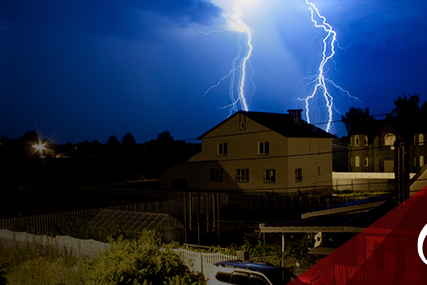
Adjuster’s Guide to Lightning Claims
Explore this interactive guide to learn about different types of lightning and what a Lightning Verification Report can tell you about what happened at a loss location during a storm.
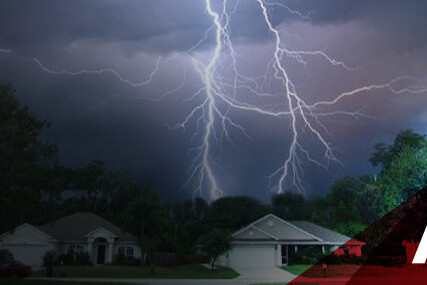
Lightning and Surge Impacts in Property Claims Guide
Lightning and surge are the most frequently reported or determined cause of loss for commercial and residential policyholders.
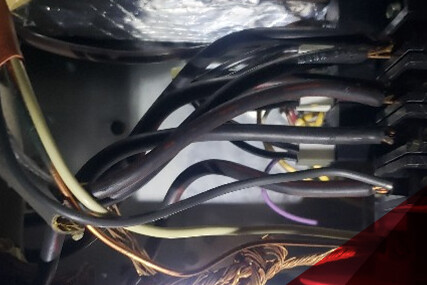
Adjuster Tips for Hurricane Claims with HVAC Systems
Know what to expect in hurricane-related HVAC failures and the best method to accurately settle these claims.