3 Expert Tips for Settling HVAC Claims With Wind Damage
Wind is a common peril associated with storms, but the number of resulting HVAC system claims that need a full replacement shouldn’t be blown out of proportion.
In 2022, the combined perils of wind and hail accounted for the largest percentage of homeowner claims—approximately 40%, according to the most recent data from the Insurance Information Institute. In contrast, these losses had lower claims severity than fire and lightning, bodily injury and property damage, or water damage and freezing during that same time.
 Wind blows trees and other debris causing claimed property damage. Photo Credit: “Firefighters, Storm, Tree, Wind” by Kollinger / CC BY 4.0
Expert Tip No. 1: Adjusters should understand how HVAC systems could be impacted before settling property claims with reported wind damage.
Wind Claims Trends
Adjusters sought HVACi’s expert help to assess their policyholders’ claimed HVAC systems. Insureds reported wind as the cause of loss for 15% of residential equipment in 2024. Of those with claimed wind damage, 34% were determined to be non-damaged at the time of assessment, 40% were wind damaged, and the cause of loss for 10% was wear and tear.
When wind was a verified cause of loss in residential claims, HVACi’s expert analyses concluded that 69% of equipment could be repaired to return to pre-loss condition.
Expert Tip No. 2: Adjusters should always verify cause of loss to ensure the most accurate settlements and reduce the risk of claims leakage.
Wind-Related Impacts to HVAC Systems
Wind, from storms, tornadoes, or hurricanes, can affect HVAC systems in multiple ways resulting in varying degrees of damage.
Dust and Debris Impacting Coils
Split systems are the most common residential HVAC systems, and their condensing units, which release and collect heat through refrigerant, are outside.
Condenser coils inside the condensing unit include the copper tubing holding refrigerant and the aluminum fins that protect it. Fins are susceptible to collecting dust and debris that the wind blows in. Coils may become clogged or flattened from debris, hail, or other foreign objects, which could impact system efficiency if airflow is blocked. However, efficiency won’t be largely affected until nearly 100% of coils are flattened.
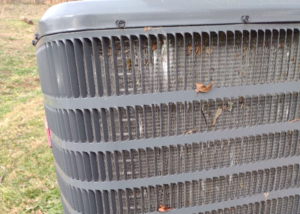 Leaves and other debris were blown into this condenser coil. Cleaning the condensing unit and straightening any flattened fin would restore it to pre-loss condition.
HVAC system replacements are unlikely for this type of wind impact. HVAC professionals could clean or comb the condenser coils using appropriate materials to return them to pre-loss condition.
Sometimes the fins in the condenser coils tear or are unable to be combed. If this happens, the most appropriate action may be to replace the condenser coils, but this again is considered a minor repair to return equipment to pre-loss condition.
Condensing Unit Damages Requiring More Major Repairs
Wind is a force of nature, and it could cause impacts to HVAC systems that require more major repairs—but replacements are still the most unlikely claim solution.
Large tree branches, lawn equipment, or other heavy objects may blow into the condensing unit causing dents, damaging the refrigerant tubes, or crushing parts of the system. An HVAC expert should evaluate the scope of damage to see if individual panels can be replaced or if a new condensing unit is necessary to return equipment to pre-loss condition.
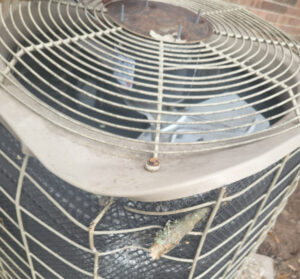 Tree limbs or other heavy objects could be blown onto the condensing unit causing minor to major damage.
A condensing unit may also be blown over or shifted off its pad, depending on the wind speed or force. The condenser coil and/or the fan assembly may be affected and require replacement. Additional components at risk of damage if the condensing unit moves are the lineset and the electrical whip, which transport refrigerant to the indoor equipment. Contaminants could enter the refrigerant tubes and cause significant damage.
Even if a new condensing unit and lineset are needed, it is unlikely that the indoor HVAC equipment, such as the furnace, will also have to be replaced. The type of refrigerant and the configuration of the equipment are the variables that would impact that. But if there is a refrigerant mismatch, such as a new condensing unit that uses R-410A and a furnace that uses R-22, additional components and actions can be taken to make the equipment compatible without a full system replacement.
Expert Tip No. 3: Get an objective HVAC system expert to determine how much of the equipment was impacted and recommend the best solution.
Expertise and Objectivity Are Keys to Accurate Settlements
The scope of wind damage to an HVAC system varies. Only someone with HVAC experience should determine the most appropriate course of action to return equipment to pre-loss condition. However, adjusters shouldn’t simply accept estimates provided by policyholders’ contractors.
Often, contractors are more likely to suggest replacing equipment that is unnecessary, compared to a more minor repair such as cleaning or replacing condenser coils. It’s critical that adjusters obtain an objective assessment for more accurate claim settlements.
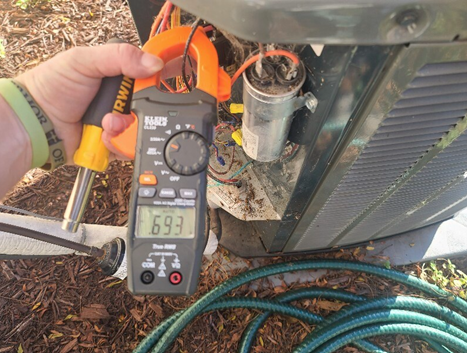
Objective HVAC system experts should complete comprehensive evaluations to determine the most accurate claim solutions.
HVACi, part of Alpine Intel’s suite of services, is the nation’s leading provider of HVAC and refrigeration onsite assessments and desktop pricing reviews for insurance carriers. We equip adjusters with actionable assessment reports that include accurate, objective cause of loss and scope of damage determinations, repair and replacement recommendations, and settlement recommendations based on market value.
Don’t throw caution to the wind when making settlement decisions for claims with HVAC systems. Submit an assignment to receive data-driven results quickly.

Don’t miss insurance-focused resources and webinars about property, perils, and trends impacting claims nationwide by signing up for The Savvy Adjuster Newsletter.

Be sure to also tune in to The Savvy Adjuster Podcast to hear more from the experts themselves.
Alpine Intel’s content is meant to inform and educate readers using general terms and descriptions. They do not replace expert evaluations that determine facts and details related to each unique claim.
Related Resources

Understanding Water Damage in HVAC System Claims Guide
Rains, flooding, and leaks can all cause water to get into places it shouldn’t be – including your policyholders’ HVAC systems.

Wind Damage to HVAC Condensing Units Guide
Knowing what wind damage looks like, possible repair methods, and other common causes of loss may help prevent claims leakage.
Impacts to HVAC Systems Frequently Appearing in Wind and Hail Claims Guide
Find out why our expert team is least likely to recommend full replacements for these perils and which repair solutions are often more appropriate.