
Was the Heat On? The How and Why of Freeze Damage Claims

Claims involving freeze damage to pipes and other plumbing fixtures pose a challenge to adjusters because two questions often must be answered before coverage is determined: what caused the freeze failure and what is the extent of the resulting water damage? Here’s what you need to know to confirm whether failure to maintain heat contributed to a freezing conditions loss. From there, an expert can also determine whether the loss was due to an equipment failure, installation issue, or human error.
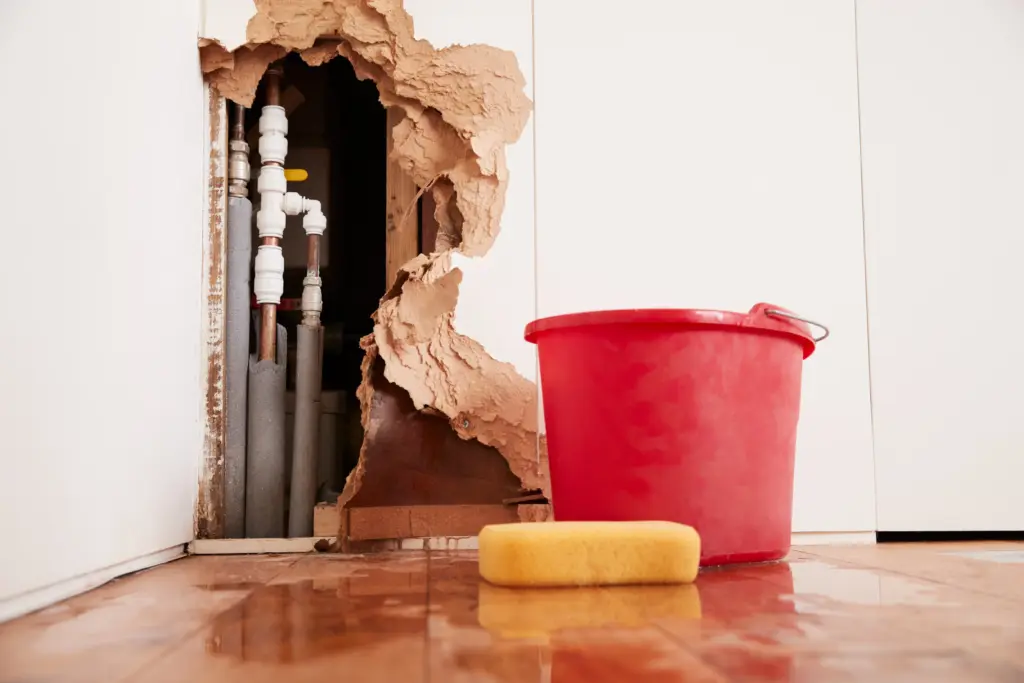
Failure to maintain heat during winter months may result in burst pipes and water damage, which could worsen if the house is unoccupied and the damage is unchecked.
Why Freeze Failures Occur
Different components show up in freeze-related claims, including pipes throughout the house, bathroom fixtures, and some HVAC equipment, but the science behind all these losses is fairly straightforward. When water freezes, it expands about 9%, according to the International Association for the Properties of Water and Steam. In a closed system such as pipes, the added volume has nowhere to go, and pressure on the pipes increases until the weakest point fails.
Keep in mind that the weakest point may not be where the freeze started, but it will be the origin of subsequent water damage. Various components exhibit freeze damage in different ways, and an expert inspection, either onsite or in a laboratory, can confirm whether the damage to copper pipes, PEX tubing, and other components is actually due to freezing conditions.

Overpressurization due to freezing water can result in failure at weak points, such as the bulges and longitudinal splits in these copper pipes.
Conditions to Consider
It’s important to account for all factors in a claim when seeking an accurate settlement. It’s possible for improperly routed pipes to freeze even if the rest of the structure is adequately heated. If an onsite inspection doesn’t identify improperly routed pipes, though, it’s essential to assess whether heat was adequately maintained. Energy usage analysis, temperature data, and heating degree day (HDD) data must be considered.
Energy Usage
If a house uses natural gas, it’s relatively easy to analyze historical consumption, since it’s metered on a monthly basis. Electricity, propane, and heating oil are more difficult. Electricity is also metered, but it’s impossible to know what portion of usage went to heating versus lighting and appliances. Propane and oil tend to be delivered at irregular intervals, and the tank might not be completely refilled each time, making pinpointing usage complicated. Despite the obstacles, utility records are a vital piece of the puzzle when you need to pin down whether human error or technical failure resulted in the freeze damage.
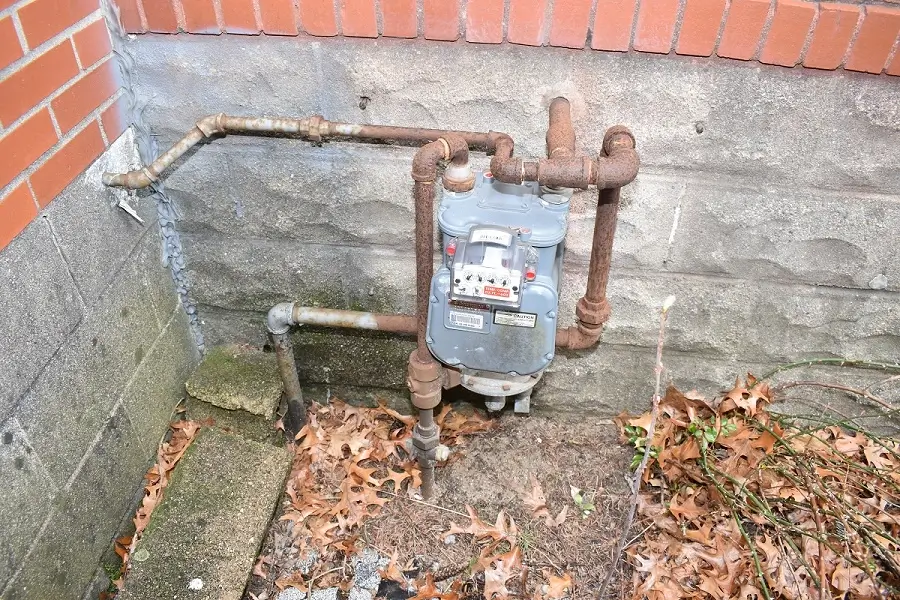
Energy usage records are a vital component of determining whether heat was maintained in a building and may help identify a date of loss that is otherwise unknown.
Temperature Data
All weather records should come from reputable sources. The National Weather Service (NWS) offers the reliable data available, including daily high, low, and average temperatures. Other sources also provide these numbers, but it is important to know if the data collection is from personal or official weather stations.
Heating Degree Day Data
Heating degree days are a quantitative representation of how long and by how much a location’s temperature was below a benchmark level – typically 65 degrees Fahrenheit (F). For each day, the HDD is calculated with a simple equation:
(65 – daily average temp = HDD)
These daily HDDs can be summed for a cumulative HDD over any given time period. Higher HDD indicates colder weather and, therefore, higher energy consumption to condition indoor spaces. This may sound complicated, but there are multiple online calculators that provide the HDD, such as Degree Days. As with weather data, just make sure to choose the closest reliable weather station from the point of loss.
To put it all together, during winter utility service periods, energy usage per HDD should be relatively similar, and significant decreases may help pinpoint the date of loss.
Was the Heat On (and Other Questions To Ask)?
If the cause of loss on a claim is failure to maintain heat, it’s time to determine why. In short, did a thermostat or furnace not operate as intended, or is the loss the result of human error? Failure to maintain heat frequently occurs because the house is unoccupied, so there may not be witnesses to the moment the plumbing burst. However, the answers to these questions can help determine a more certain cause of loss:
- Have there been any changes to the furnace or HVAC system, insulation, or windows?
- What temperature is the thermostat typically set to?
- Have there been any changes in occupancy, such as vacations, relocations, or long periods without inhabitants?
- What is the furnace inspection schedule?
The answers to these questions, in tandem with evidence gathered during an onsite inspection, can help determine whether failure to maintain heat resulted from mechanical or human error. Submit an assignment to experience how an onsite inspection by a licensed Donan forensic engineer or an assessment at the Component Testing Lab can help you confirm the cause of loss and conditions surrounding a freeze damage claim.

Don’t miss insurance-focused resources and webinars about property, perils, and trends impacting claims nationwide by signing up for The Savvy Adjuster Newsletter.

Be sure to also tune in to The Savvy Adjuster Podcast to hear more from the experts themselves.
Alpine Intel’s content is meant to inform and educate readers using general terms and descriptions. They do not replace expert evaluations that determine facts and details related to each unique claim.
Related Resources

5 Items Common in Freeze Damage Claims
Five items are often found in freeze damage claims: copper and PEX piping, radiators, fuel lines, hydronic air handlers, and boiler heat exchangers. Learn why.
Why the Increase in Heat Waves Could Affect Claims
Heat waves could initiate perils that impact residential and commercial policyholders’ electrically powered equipment and lead to property claims.
Heat Pump Glossary
We’ve crafted a quick reference guide to the components of heat pumps and explained the functions of each part in straightforward terms.