
Hazardous Energy: Generator Safety Tips

In 2024, Hurricane Helene caused more than 4.7 million power outages across the Southeastern U.S. The disaster meant more than a loss of power for residents, however. The storm destroyed millions of dollars’ worth of property, and people couldn’t even begin to rebuild or return to normal life during the blackout.
While every power outage may not be this extreme, even a few hours without electricity can cause disruptions. As a result, generators—both portable and standby—are becoming more common.
As the popularity of these devices grows, insurance adjusters are seeing an increasing number of claims involving generators. Not only can they suffer damage from impact or other perils, but without proper generator safety measures, these devices can also cause damage due to their intricate operation and combustibility. As an insurance adjuster, you need to know how generators can be dangerous and what your policyholders can (and should) do to prevent these damages.
Generator Safety and Fire Prevention
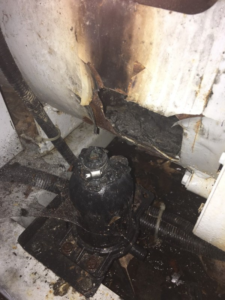
Generators produce heat, use combustible fuels, and have heavy electrical cables that connect to the home, creating a minefield of fire hazards if an owner isn’t careful. The generator’s surroundings can easily increase fire risk, which is why a standby generator should always be installed at least 18 inches from a structure and 36 inches away from any vegetation. Portable generators should be kept 25 feet away from any structure in an area clear of plant life, because they have a higher risk of fire and carbon monoxide poisoning.
Fuel storage is another critical consideration for generator safety. Fuel should be stored on a floor at least 50 feet away from any ignition source (including pilot lights, grills, and the generator itself) in a well-ventilated location out of the sun. It’s also vital that your insured doesn’t refuel a generator while it’s on (or even warm), as the fuel could ignite, and worse, follow the fuel path back to them, causing serious damage and injury. Additionally, flammable materials should never be stored near a generator.
Generator owners should also take these additional generator safety precautions:
- Keep a fire extinguisher nearby in case a fire does occur.
- Use heat-resistant gloves when touching a generator to avoid burns.
- Perform routine maintenance on a generator, as faulty wiring and connections can also spark a fire.
Carbon Monoxide Safety

Generators produce harmful carbon monoxide (CO), so their safe location is critical to protecting a structure’s occupants. CO has no odor or color, enabling it to build up in an enclosed space and easily rise to lethal levels without the occupants noticing. Therefore, if a property has a generator, it should also be equipped with a carbon monoxide detector. In addition, generators should never be located underneath a deck, indoors, in a garage or basement, or within 5 feet of a door or window. Generator owners should also take airflow into consideration, as the wind can blow CO into openings even if they are farther away than the required minimum distance.
Electrical Damage Prevention
In truth, generators are almost as likely to be damaged by an electrical event as they are to cause electrical damage to the structure they’re powering. They also pose a risk to users and utility workers repairing power lines. As such, generator owners should exercise extreme caution and prioritize generator safety when setting up or using them. It’s crucial that generators are never plugged directly into a wall outlet, as this can cause “backfeeding.” Backfeeding occurs when electricity flows from the generator into the powered structure and then continues into the power lines. This endangers utility workers attempting to restore power under the assumption that electricity isn’t flowing through the cables.
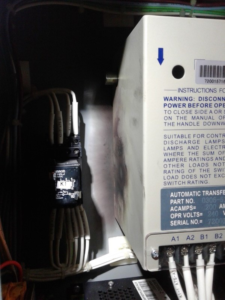
Additionally, users should never turn the generator on or off while it’s under load (i.e., actively providing energy to appliances or devices). Practicing proper generator safety includes using an automatic transfer switch (ATS) to connect a standby generator to the powered building to prevent electrical damage to either the generator or the structure. For portable generator safety, any powered appliances or devices should be plugged into the outlets attached to the generator itself. These should be connected using extension cords rated for outdoor use and for the electrical load (in watts or amps) required by the device being powered.
Finally, generator safety precautions should be in place any time a user tries to make adjustments to a generator—particularly a portable generator—during rainy or flooding conditions. It’s best not to touch the generator at all during these times, due to the increased risk of fatal electric shocks.
Portable generators can be kept dry during inclement weather conditions by placing them under an open canopy. Standby generators have their own housing to protect them from the elements, but users should still avoid handling them during wet conditions to minimize the risk of injury.
What Happens When Prevention Isn’t Enough?
Unfortunately, prevention efforts and generator safety tips don’t stop every potential danger. When something slips through the cracks and your policyholder’s generator catches fire or overloads their other electronics, StrikeCheck, part of Alpine Intel, can help. We see many generator claims every year, and our experts know what to look for when determining cause of loss, scope of damage, and local market pricing for repairs and replacement. If a policyholder files a claim for a damaged generator or other specialty electrical items, we can help you resolve it accurately through fact-driven onsite assessments. Our assessment reports, desktop pricing reviews, and lightning reports eliminate guesswork and empower adjusters to make better claim decisions.
Don’t let uncertainty slow down your claim settlements. Allow us to help you resolve electronics claims quickly and more accurately by submitting an assignment.

Don’t miss insurance-focused resources and webinars about property, perils, and trends impacting claims nationwide by signing up for The Savvy Adjuster Newsletter.

Be sure to also tune in to The Savvy Adjuster Podcast to hear more from the experts themselves.
Alpine Intel’s content is meant to inform and educate readers using general terms and descriptions. They do not replace expert evaluations that determine facts and details related to each unique claim.
Related Resources
Generator Maintenance Guide
The rising prevalence of generators also means an increased chance of damaged ones, we want insurance adjusters to have the knowledge to handle these claims easily and accurately.

Standby Generator Guide
Generators require maintenance that may be overlooked, and they’re particularly susceptible to certain perils.
Navigating Lightning and Surge Property Losses eBook
Use this eBook to learn how lightning and high voltage surge can impact electronics, HVAC systems, and structures, and become better equipped to resolve related claims.