
Your Geothermal System Questions Answered

Policyholders can heat and cool their properties in a more efficient way by letting the Earth’s natural subsurface temperatures do most of the work. These systems use a geothermal heat pump and geothermal loops buried below the frost line to condition warmer and cooler air through heat transfer. Because they aren’t as prevalent as other traditional heating and cooling equipment, adjusters should understand how these systems work so that they are prepared when they wind up in claims.
What Makes Geothermal Systems Different?
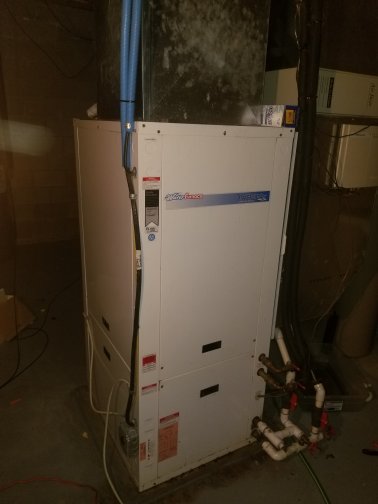 Geothermal systems have underground pipes and a heat pump to use the Earth’s temperature to warm and cool a home or business.
Traditional furnaces and boilers require burning oil or gas in a combustion chamber, but this isn’t necessary in a geothermal system. The Earth maintains a constant average temperature between 50-60 degrees Fahrenheit 10 feet underground regardless of weather and temperature at the surface. This gives geothermal systems the advantage that the amount of energy needed to condition air to be warmer or cooler is roughly the same year-round versus a traditional HVAC system working harder depending on outside temperatures.
To warm a facility, the fluid inside the geothermal system’s pipes, including water, refrigerant, or antifreeze, increases temperature from the warmer underground rock, soil, or water. A heat exchanger transfers the heat from the fluid to the building’s heating system to warm the air, and the now-cooler fluid returns to the ground to be warmed again. To cool a structure, the heat is taken out of the building and the fluid in the pipes expels the heat while underground.
According to the U.S Department of Energy, geothermal systems can reduce energy consumption by 30-60%, and geothermal heat pumps reach efficiencies of as much as 600% on the coldest nights. Other advantages of geothermal systems are that they are quieter, have a longer lifespan, and need little maintenance.
Geothermal systems are more expensive than other traditional HVAC systems, costing around $15,200 on average; however, policyholders will likely recoup that cost in energy savings over the lifespan of the system. Plus, tax credits are available. Under the Inflation Reduction Act (IRA), Section 25D, homeowners are eligible for a 30% tax credit for ENERGY STAR-rated geothermal heat pumps that are in service by Jan. 1, 2033.
What Types of Claims Will You See Geothermal Systems In?
Property characteristics affect where and how geothermal systems may be installed, but they can be used in commercial and residential properties.
Residential systems can be placed on single or multi-family lots, including under lawns or driveways. Homes built with a traditional HVAC system can be retrofitted for geothermal systems using installed ductwork.
Commercial properties may also benefit from a geothermal system’s cost-effectiveness, energy efficiency, and the fact that they are more environmentally friendly. They have been used in schools, high rises, government buildings, apartments, and restaurants as well as for agricultural and industrial facilities.
What Are the Different Types of Geothermal Systems?
Two distinct differences in the types of geothermal systems are whether they are closed or open loop and what they are buried in.
Closed loop systems typically have the geothermal loops, which can be plastic pipes, buried in the ground or under water. The fluid inside continuously circulates. A heat exchanger transfers heat between the refrigerant in the heat pump and antifreeze in the pipes. A variation on this system involves direct exchange, where the refrigerant circulates through copper tubing underground without a heat exchanger and a larger compressor is needed; however, many government regulations prohibit refrigerant being underground because of potential environmental impacts. Closed loops can be buried horizontally or vertically. Horizontal loops may be more cost-effective for residential properties, particularly for those with enough land. Pipes buried vertically may be better for commercial buildings because the systems would be larger scale, but less land and landscaping are impacted. The holes can be drilled 100-400 feet deep and the pipes are connected at the bottom with a U-bend pipe.
A geothermal system doesn’t always have to be buried in land. A similar process can be completed under water, which may be the least expensive option. A pond or lake would need to have an adequate supply so that the pipes can be 8 feet under the surface where water won’t freeze.
Open loop systems require well water or surface water in place of heat exchange fluid. Instead of being continually used, water returns to the ground as surface discharge once it leaves the building. However, the water supply must be maintained, and policyholders must adhere to discharge rules that are created and enforced by local ordinances, codes, covenants, or licensing requirements.
A hybrid system that uses both underground geothermal systems and an air-source heat pump is also possible, and it’s particularly effective in places where cooling is needed more than heating.
Why Do These Systems Fail?
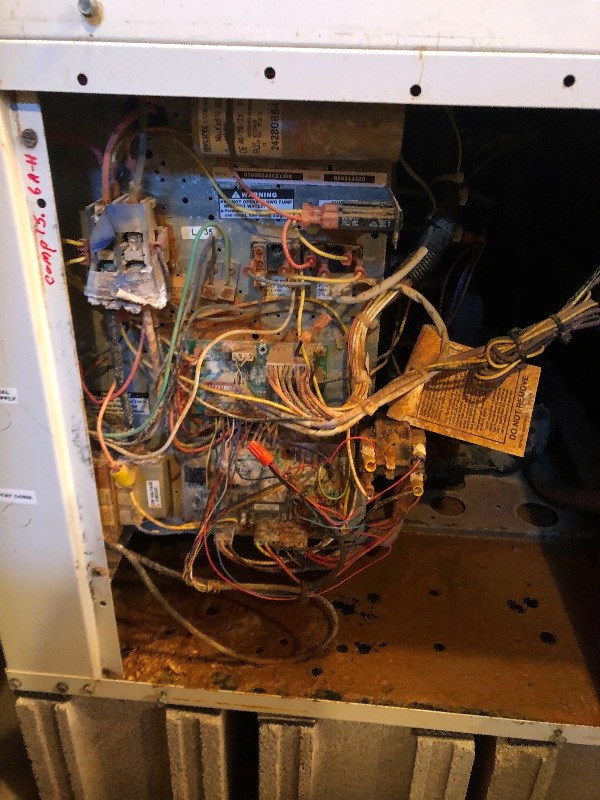 A sump pump failure caused severe water damage to this geothermal system by corroding some of the equipment.
Energy efficiency and a longer lifespan are advantages to having a geothermal system, but they do sustain damages like any other system type.
Leaks from the pipes could cause refrigerant to go underground or into the water source. Any water contamination could be harmful to plants or the water supply. This is particularly important in open loop systems, which should be filtered and free from debris.
Another potential concern is that the heat exchanger coils could become corroded and stop the component from exchanging heat.
HVACi, part of Alpine Intel’s suite of services and the nation’s leading provider of residential and commercial HVAC and refrigeration system assessments and desktop pricing reviews, inspected hundreds of geothermal systems that appeared in property insurance claims in 2024. High voltage surge and wear and tear were the most frequent causes of loss; though, other perils included water, smoke and fire, freezing conditions, and wind. In many claims, the system was found to be in proper working condition at the time of assessment.
When Should You Get Help Assessing a Geothermal System?
It’s important to always have an expert assess equipment that you aren’t used to dealing with. Over 11% of geothermal system claims that were assigned to HVACi were filed with a stated unknown cause of loss. Our team used their knowledge and experience with these systems to determine the actual cause of loss and make recommendations for repairs or replacements based on findings. Submit an assignment for expert help with your geothermal, or other HVAC system claims.

Don’t miss insurance-focused resources and webinars about property, perils, and trends impacting claims nationwide by signing up for The Savvy Adjuster Newsletter.

Be sure to also tune in to The Savvy Adjuster Podcast to hear more from the experts themselves.
Alpine Intel’s content is meant to inform and educate readers using general terms and descriptions. They do not replace expert evaluations that determine facts and details related to each unique claim.
Related Resources
Your Questions About Fire Investigation Evidence Answered!
A crash course in how evidence is defined, collected, preserved by professional fire investigators, and how adhering to these guidelines ensures a conclusive investigation.

Geothermal System Basics Guide
The guide explores how geothermal systems work, compares the different types, and notes some of the most frequent perils impacting them.
6 Questions That Affect Electronics Claims With Water Losses
Before you settle for an unnecessary replacement, there are 6 questions you or your equipment expert should be able to answer to ensure your resolution is accurate.