Which HVAC Components Are at Risk for Hurricane Damage?
Claims from Hurricanes Beryl, Helene, and Milton in 2024 highlighted the immense losses caused by these catastrophic events. Hurricane Milton alone accounted for an estimated $20 billion in insured losses, according to the Insurance Information Institute, ranking it as the 10th costliest hurricane in U.S. history.
Following each of these storms, adjusters turned to HVACi as a reliable assessment partner to evaluate HVAC and refrigeration equipment. Adjusters can use the cause of loss determinations from these claim assessments to better understand which HVAC components are most at risk for hurricane damage and why.
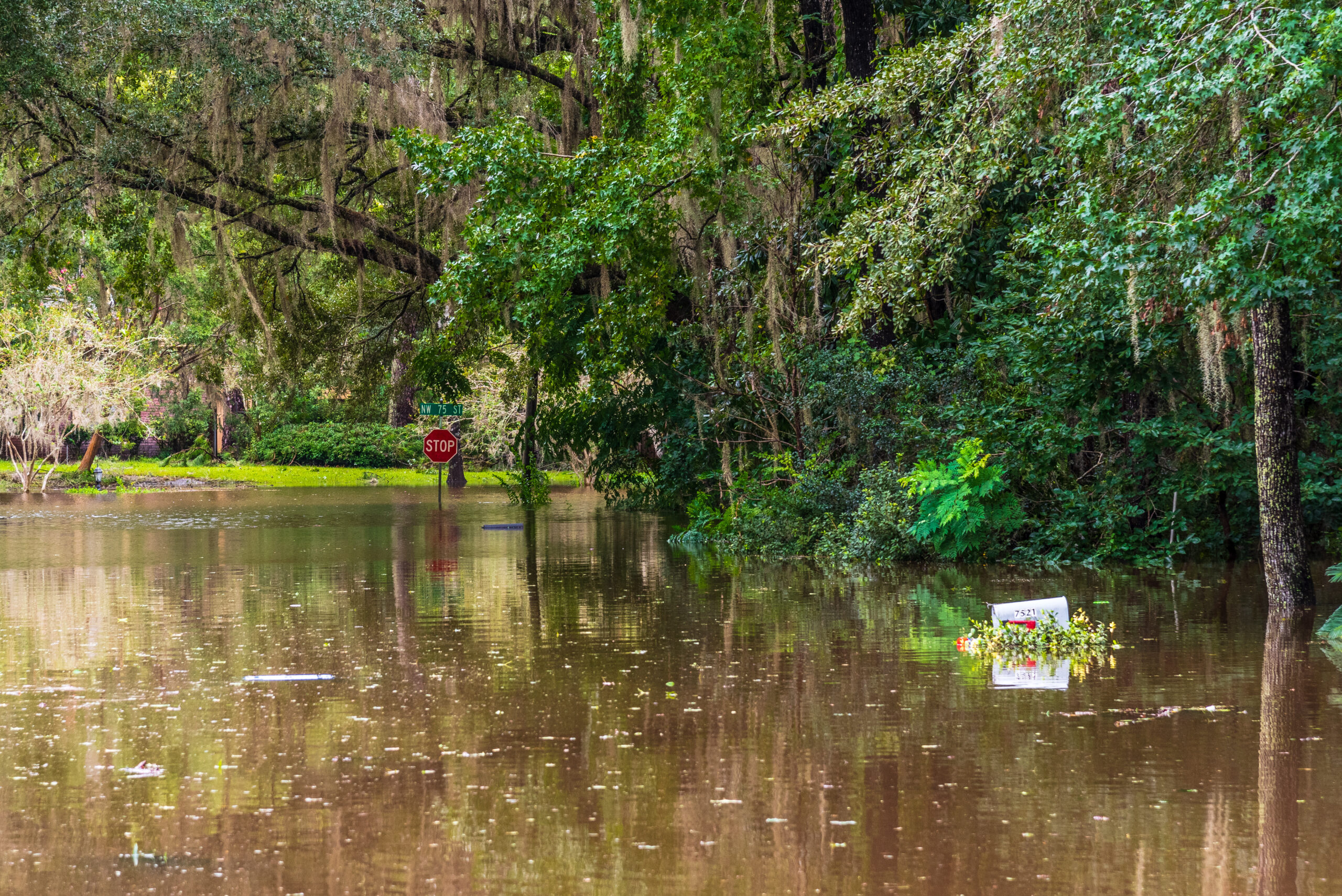
Hurricanes can cause a range of damage, including intense flooding.
Wind Impacts to Exterior Components
Hurricanes are ranked by their wind speeds through the Saffir-Simpson Hurricane Wind Scale, so it’s likely not a surprise that wind was the most often reported cause of loss for HVAC systems assessed by HVACi related to Hurricanes Beryl, Helene, and Milton. However, only Hurricane Helene had more verified wind damage than any other peril.
External HVAC components in split systems and package units are most susceptible to wind-related losses.
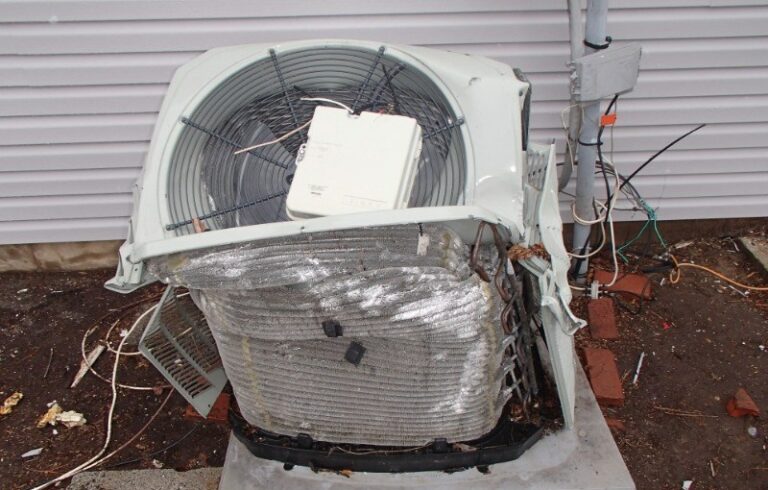
Windblown debris could clog the condenser coils or cause major damages, such as this crushed condensing unit.
Windblown dust and debris can clog the condenser coil, which is essential in the heating and cooling processes for most HVAC systems. Traditional condenser coils have aluminum fins surrounding copper pipes filled with refrigerant. Obstructed fins can restrict air flow, though lower efficiency occurs when they are almost entirely blocked. Safely cleaning off dust and debris could eliminate the need for replacements.
Tree limbs, patio umbrellas, and other objects blown into a condensing unit could require settlements for more major repairs. Policyholders may need new condenser coils, or in more severe scenarios, a new condensing unit. Rarely is a full HVAC system replacement necessary.
Wind directly impacts condensing units in split systems and package units, too. Equipment may be tipped or knocked from concrete or plastic pads, elevated brackets, or rooftop installations. A full replacement may be necessary for package units blown from a roof to the ground. A new condensing unit, lineset, and additional components could return split systems with major damage to pre-loss condition.
An objective HVAC system expert should determine the scope of damage and accurate solutions before carriers settle for unnecessary equipment.
Rain, Floods, and Storm Surges
Hurricanes, also called tropical cyclones, are made up of thunderstorms that form over the ocean and move inland. Water-related losses come from the torrential rains, flooding, and storm surges that are common when hurricanes strike coastal areas.
HVAC system location impacts which equipment is most at risk for water-related damages. Components on the ground or in the crawlspace and basement are susceptible to flooding and storm surge, though flood-prone areas often have building elevation requirements to reduce losses. HVAC equipment in the attic or upper levels isn’t immune. Roof damage could cause rainwater to affect indoor equipment.
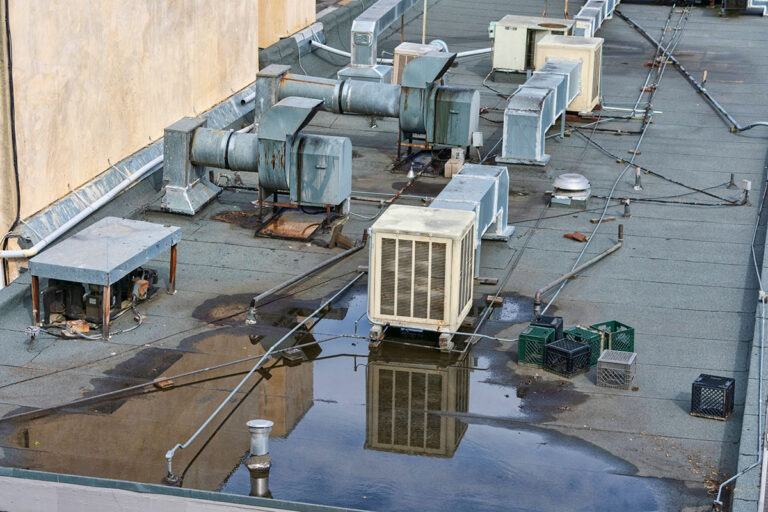
HVAC system location impacts what types of water losses it could sustain.
Where water contacts the HVAC system also affects scope of damage. Condensing unit components most at risk for water damage include electrical equipment, the compressor, and the fan motor. The force of floodwaters could shift a condensing unit. Saltwater also corrodes or deteriorates condenser coils, though this may be a sign of wear and tear.
Inside, air handler or furnace components susceptible to water damage include the control board, wires, capacitors, gas valve, blower, and other equipment. Sheet metal ductwork, flex ductwork, ductboard, and insulation sustain varying degrees of water damage, which could result in repairs or replacements.
Once water reaches electrical components, more major repairs may be necessary; however, water contact with lower sections may have minimal impacts. An HVAC expert can assess the water damage to determine the scope of loss and what repairs would return equipment to pre-loss condition. An assessment would also define the source of the water, as flooding, surface water, and groundwater may not be covered by all insurance policies.
Lightning and High Voltage Surge Impact Electrical Components
Direct lightning damage is rare for HVAC systems. When it occurs, direct lightning causes visible impacts such as arcing, burning, and electrical malfunctions. By contrast, high voltage surge was the third most common cause of loss for HVAC equipment assessed in claims related to Hurricane Helene, and the fourth most common determination for claims from Hurricanes Beryl and Milton.
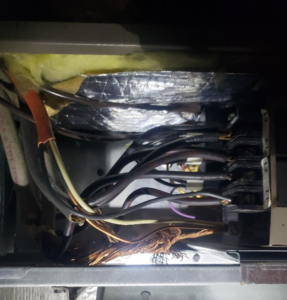
High voltage surge damage is common after hurricanes for several reasons, including nearby lightning, loss of power, or other voltage fluctuations.
High voltage surges are the result of nearby lightning strikes, power outages, and other voltage fluctuations that affect the power grid, transformers, wires, and electrical components. Surge losses are confined to the electrical system and use wiring as their path. Malfunctions could occur to multiple components and may not be visible.
Non-Covered Perils Appear in Hurricane Claims
Hurricane perils, including wind, water, and high voltage surge, can cause minor to major damages, though it’s critical to note that these often don’t result in the need for full system replacements. Only 31% of the HVAC equipment that HVACi evaluated after Hurricane Milton needed a full replacement.
Not all assessment determinations were weather-related either. Wear and tear accounted for 36% of the HVAC damages assessed by HVACi after Hurricane Beryl, and 28% and 27% of damages after Hurricanes Milton and Helene, respectively. More importantly, HVAC equipment was often found to be non-damaged at the time of assessment—with more than 25% of evaluated systems from Hurricane Milton claims working as designed.
HVAC system experts can ensure claim settlement accuracy by determining cause of loss and scope of damage. HVACi has a network of thousands of professionals who evaluate HVAC and refrigeration equipment nationwide. Adjusters receive comprehensive reports with verified cause of loss, repair and replacement recommendations, and settlement recommendations based on market value pricing—without slowing down the claims process.
Need help with a hurricane-related claim that involves HVAC systems? Submit an assignment to HVACi for quick, comprehensive solutions.

Don’t miss insurance-focused resources and webinars about property, perils, and trends impacting claims nationwide by signing up for The Savvy Adjuster Newsletter.

Be sure to also tune in to The Savvy Adjuster Podcast to hear more from the experts themselves.
Alpine Intel’s content is meant to inform and educate readers using general terms and descriptions. They do not replace expert evaluations that determine facts and details related to each unique claim.
Related Resources

Understanding Water Damage in HVAC System Claims Guide
Rains, flooding, and leaks can all cause water to get into places it shouldn’t be – including your policyholders’ HVAC systems.
Your Guide to Hurricane Storm Surge Damage
Storm surge is a common cause of hurricane damage to coastal properties. Not all damages caused by storm surge are the same, and some may be unexpected.
HVAC Hurricane-Related Damage or Another Peril?
Take this short 6-question quiz to see if you can identify the hurricane-related HVAC damage compared to impacts from other perils.