
Residential Pipes, Insulation, and Freezing Conditions Guide

During winter weather, burst frozen pipes can cause catastrophic losses if the damage isn’t caught quickly. Some piping materials withstand freezing conditions better than others, though multiple kinds of tubing may be found in the same home, depending on the age and water usage of the structure. Insulation can help protect pipes from cold weather, and each type has its own recommended uses.
Fill out the form to receive our Residential Pipes, Insulation, and Freezing Conditions Guide to learn more about which pipes are most likely to freeze and the types of insulation that can help, including:
• Cast iron and galvanized steel
• Copper
• PVC
• PEX
• Pipe Insulation
• Cellulose
• Foam
• Fiberglass

Don’t miss insurance-focused resources and webinars about property, perils, and trends impacting claims nationwide by signing up for The Savvy Adjuster Newsletter.

Be sure to also tune in to The Savvy Adjuster Podcast to hear more from the experts themselves.
Alpine Intel’s content is meant to inform and educate readers using general terms and descriptions. They do not replace expert evaluations that determine facts and details related to each unique claim.
Related Resources
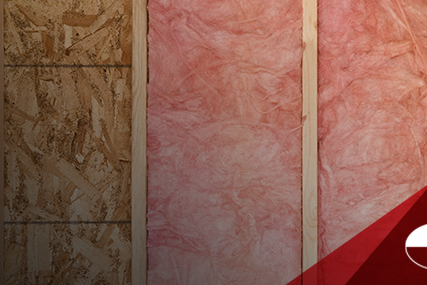
Residential Insulation Guide
Learn what types of insulation may be present in a home and where you may find each of them when your policyholder files a claim.
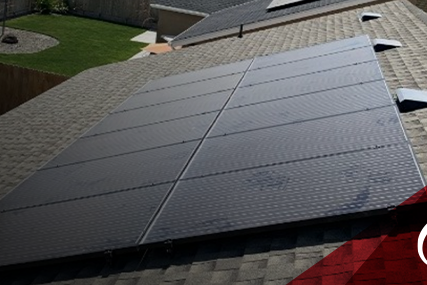
Solar Power System Components Guide
Solar power systems are becoming more and more popular as their cost becomes more competitive with conventional energy production systems.
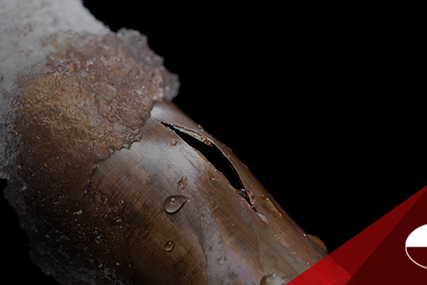
Residential Pipes and Freezing Conditions Guide
Some materials tolerate the cold better than others, and your policyholders may be at risk for catastrophic losses if their pipes can’t withstand freezing temperatures.